
The Healing Power of Human Touch: How Massage Supports Stress, Anxiety, and Emotional Well‑Being
A Body Under Stress Tells Its Story
For more than 20 years, I’ve worked with people navigating everyday stress and major life changes — job transitions, family strain, grief, hormonal shifts, and the quiet overwhelm that builds when life moves faster than the body can process.
When stress accumulates, the mind feels scattered, the body tightens, and people often describe feeling depleted or even depressed.
Touch: The First Language of Regulation
Psychology teaches that touch is the earliest and most fundamental human need. It’s how the nervous system learns safety, connection, and grounding.
Massage brings that need back to the forefront — not as luxury, but as a biological reset.
During a session, intentional human touch helps:
Reduce stress hormones
Increase serotonin and endorphins
Support emotional balance
Create a sense of safety and calm
These shifts help the body move out of fight‑or‑flight and into a state where healing becomes possible.
Why Massage Helps People Feel Less Overwhelmed
Stress doesn’t just live in the mind — it settles into the body.
Massage helps interrupt that cycle by:
Calming the nervous system
Releasing muscular tension
Improving circulation
Promoting endorphins
Supporting deeper breathing and mental clarity
Many clients describe the experience as “finally exhaling” or “feeling like myself again.”
Compassionate Presence Matters
Massage therapists are not licensed talk therapists. But we do witness people in their most vulnerable moments.
Sometimes what helps is simply:
A compassionate ear
A grounded presence
A space where someone feels seen without needing to perform or explain
This combination of therapeutic touch and supportive listening can ease feelings of overwhelm and create emotional relief — not through talk therapy, but through regulated connection.
Healing on a Deeper Level
When the body unwinds, the mind follows.
Massage doesn’t fix life’s challenges, but it helps people meet those challenges with:
More resilience
Less tension
A steadier mind‑body connection
For many, it becomes a vital part of their mental health toolkit — alongside therapy, movement, rest, and supportive relationships.
A Gentle Reminder
Massage is not a replacement for mental health treatment. But it is a powerful complement — one that supports the body’s natural ability to regulate, restore, and reconnect.
References • Mayo Clinic Health System. Massage for Depression, Anxiety and Stress. (2022). https://www.mayoclinichealthsystem.org/hometown-health/speaking-of-health/massage-for-depression-anxiety-and-stress
• Field, T. Touch for Socioemotional and Physical Well‑Being: A Review. Developmental Review (2010).
• Moyer, C. A., Rounds, J., & Hannum, J. W. A Meta‑Analysis of Massage Therapy Research. Psychological Bulletin (2004).
• Harvard Health Publishing. Understanding the Stress Response.

Helping Women Find Relief During Perimenopause & Menopause Through Therapeutic Massage
Perimenopause and menopause are major transitions — physical, emotional, and hormonal. Many women experience symptoms that disrupt daily life, including headaches, migraines, joint pain, sleep changes, anxiety, swelling, and deep fatigue. These shifts can feel overwhelming, especially when they appear suddenly or intensify over time.
Therapeutic massage offers a grounded, evidence‑informed way to support the body through these changes.
Understanding Perimenopause & Menopause Symptoms
Hormonal fluctuations can affect nearly every system in the body. Common symptoms include:
Headaches and migraines
Neck, shoulder, hip, knee, and foot pain
TMJ tension and jaw discomfort
Hot flashes and temperature sensitivity
Sleep disruption and fatigue
Anxiety, irritability, and overwhelm
Bloating, swelling, and fluid retention
Muscle stiffness and joint discomfort
These symptoms are real, valid, and often under‑supported. Massage provides a therapeutic space to help regulate the nervous system, reduce pain, and restore balance.
How Therapeutic Massage Helps
1. Reduces Headaches & Migraines
Hormonal changes can trigger tension patterns in the neck, jaw, and shoulders. Massage helps release these areas, improve circulation, and calm the nervous system — reducing frequency and intensity.
2. Supports Hormonal Stress & Nervous‑System Overload
Perimenopause often brings anxiety, irritability, and sleep disruption. Clinical massage activates the parasympathetic nervous system, helping the body shift out of “fight‑or‑flight” and into rest and recovery.
3. Eases Joint Pain & Muscular Stiffness
Many women experience new or worsening pain in the hips, knees, feet, elbows, and shoulders. Myofascial release, deep tissue, and functional bodywork help reduce inflammation, restore mobility, and improve daily movement.
4. Reduces Swelling & Bloating
Lymphatic drainage supports fluid balance, reduces puffiness, and helps the body manage hormonal water retention.
5. Improves Sleep & Overall Well‑Being
Massage helps regulate cortisol, improve circulation, and support deeper rest — essential during hormonal transitions.
Why Women Choose Therapeutic Massage During This Phase
Perimenopause and menopause are not just hormonal shifts — they’re full‑body experiences. Massage provides:
A supportive, non‑judgmental space
Relief from chronic tension and pain
Nervous‑system regulation
Improved mobility and function
A sense of grounding and connection
It’s a clinical, restorative tool that helps women feel better, move better, and live better during a transformative stage of life.
If You’re Experiencing These Symptoms, You’re Not Alone
I help women find relief from:
Headaches & migraines
Menopause and perimenopause symptoms
Neck, shoulder, hip, knee, and foot pain
TMJ dysfunction
Plantar fasciitis and ankle discomfort
Sleep disruption, anxiety, and overwhelm
Swelling and inflammation
Each session is tailored to your patterns, concerns, and goals — designed to support your body with intention and care.
Book Your Therapeutic Appointment
If you’re navigating perimenopause or menopause and want grounded, clinical support, you can schedule your restorative session at my Upper West Side studio.

Pelvic Floor Dysfunction: Understanding the Root Causes and How Massage Therapy Helps
Pelvic floor dysfunction is far more common than most people realize. It can happen at any age. It shows up quietly at first—a sense of heaviness, deep hip tension, urinary urgency, pain with sitting, low back tightness that never fully resolves. Over time, these symptoms can affect movement, comfort and overall quality of life.
The pelvic floor is a complex network of muscles, fascia, nerves and connective tissue that supports the bladder, bowel and reproductive organs. When these structures become overactive, underactive, imbalanced or inflamed the entire system can feel out of sync.
Massage therapy offers a gentle, evidence-informed way to help restore balance, reduce pain, and reconnect the body to its natural patterns of support.
What is Pelvic Floor Dysfunction?
Pelvic floor dysfunction occurs when the muscles of the pelvic floor don’t coordinate the way they should. This can vary from:
Hypertonicity (muscles too tight or guarded)
Hypotonicity (muscles too weak or under-recruited)
Myofascial restrictions in the hips, abdomen, low back, or inner thighs
Nerve irritation from tension or irritation or inflammation
Postural or movement patterns that overload the pelvic region
These imbalances can lead to symptoms such as:
Pelvic pain or pressure
Lower back or hip pain
urinary urgency, frequency or leakage
pain with intercourse
constipation or difficulty relaxing to have a bowel movement
Tailbone pain
A sense of instability or weakness throughout the front and back core
Pelvic floor dysfunction is not just a “pelvic” issue—It affects the whole-body pattern involving breath, TMJ or jaw pain, posture, stress and muscular coordination.
How Massage Therapy Supports Pelvic Floor Health
Massage therapy doesn’t replace pelvic floor physical therapy— it complements it. Through clinical therapeutic treatment, we address the surrounding structures that influence pelvic floor function and help the nervous system shift out of protective patterns.
Reducing Muscular Tension and Guarding
Tightness in the hips, glutes, adductors, low back, and abdominal wall can create downward pressure on the pelvic floor. Manual therapy helps:
Release chronic holding patterns
Improve mobility in hips and sacrum
Reduce compensatory tension that keeps the pelvic floor overactive
2. Improving Myofascial Mobility
The fascia surrounding the pelvis connects to the diaphragm, back and front core, legs, and spine. Myofascial release helps:
Ease restrictions that limit movement
Restore glide between tissues
Reduce pain caused by fascial adhesions
3. Supporting Nervous System Regulation
Pelvic floor dysfunction often has a strong stress component. When the nervous system is overloaded, the pelvic floor can tighten reflexively.
Massage helps:
Down-regulate the stress response
improve breathing
support parasympathetic activation (rest and digest)
This shift alone can dramatically reduce the symptoms.
4. Enhancing Circulation and Reducing Inflammation
Gentle abdominal, hip and low-back work increases blood flow and lymphatic movement—supporting tissue healing and reducing inflammation that contributes to pain.
5. Reconnecting the Core and Pelvic Floor
Pelvic Floor—informed bodywork helps patients feel:
Where they are gripping
Where they are under recruiting or what needs to be strengthened
How breath and movement influence pelvic support
This awareness is foundational for long—term healing.
Who Can Benefit from Pelvic Floor—Informed Massage?
This work is supportive for people experiencing:
Pelvic Pain
Postpartum recovery
Hip or low back pain
Tailbone pain
Urinary urgency or leakage
Pain with intercourse
Chronic tension through the hips or abdomen
Stress-related pelvic gripping
Postural patterns that overload the pelvis
If you are already working with a pelvic floor physical therapist, massage therapy can help your body integrate the changes more smoothly.
What to Expect in a Session?
Every session begins with a conversation about your symptoms, patterns, and goals. It may also include communication with your pelvic floor physical therapist, so your care feels integrated, intentional, and aligned with the treatment plan that best supports you. Which may include the following:
Myofascial release
Abdominal and hip work
Low‑back and sacral decompression
Breath‑guided techniques
Nervous‑system regulation
Gentle pelvic floor–informed manual therapy (external only)
The work is always non‑invasive, supportive, and tailored to your comfort level.
In Summary
Pelvic floor dysfunction is treatable—and you don’t have to navigate it alone. Massage offers a gentle, clinical and deeply supportive way to reduce pain, restore balance, and reconnect with yourself. Move with ease and have less discomfort.
Schedule a consultation today and let’s work together to help you heal.
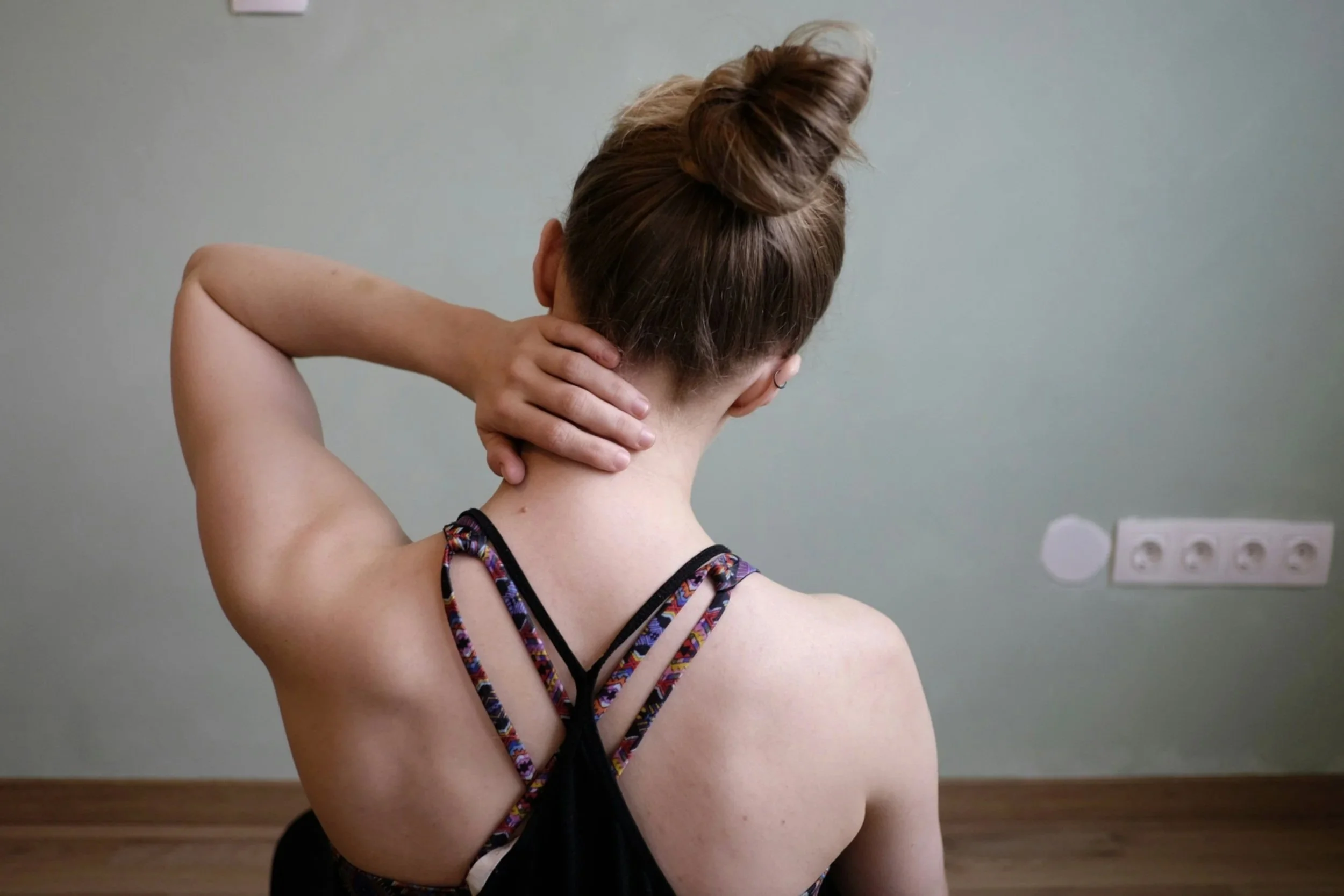
Medical Massage: Understanding of the Work That Helps the Body Return to Itself
Medical massage is the quiet, clinical art of listening to the body through the hands — not just to the places that hurt, but to the patterns underneath the pain. It is a therapeutic approach rooted in assessment, anatomy, and intention. Every stroke, every angle of pressure, every moment of stillness is chosen for a reason. Nothing is random. Nothing is decorative. Medical massage is bodywork with purpose.
Where Swedish massage is designed to soothe, and deep tissue is designed to release tension, medical massage is designed to change something — a pain pattern, a restriction, a compensation, a cycle of inflammation, a nervous‑system response. It is the kind of work that helps the body reorganize itself from the inside out.
It is clinical, but not cold. Precise, but not rigid. Grounded in anatomy, but deeply aware of the emotional and neurological layers that shape how pain lives in a person. Medical massage is where science meets intuition, where technique meets presence, where the body is treated not as a collection of muscles but as a living system that remembers everything.
What Medical Massage is—A clinical definition with human edges. Medical Massage is a targeted therapeutic treatment that uses clinical assessment to identify the root cause of pain or dysfunction. Instead of applying a general routine, the therapist evaluates posture, movement, tissue quality, breath patterns, and the nervous system’s response. The session is then built around what the body actually needs — not what a standard protocol suggests.
A medical massage session may include:
Deep tissue techniques applied with clinical precision
Myofascial release to soften restrictions and restore glide
Neuromuscular therapy to interrupt pain cycles
Trigger point work to calm hyperactive muscle fibers
Lymphatic techniques to reduce swelling and inflammation
Scar‑tissue mobilization to restore movement after injury or surgery
Breath‑guided pressure to regulate the nervous system
Joint mobilization to improve range of motion
Corrective stretching to support functional alignment
The goal is not relaxation — though relaxation often happens. The goal is change: measurable, functional, meaningful change.
Medical massage is especially effective for:
Chronic pain
Post‑surgical recovery
Injury rehabilitation
Sciatica and nerve compression
Shoulder dysfunction
Low‑back pain
Neck pain and headaches
TMJ dysfunction
Repetitive‑strain injuries
Mobility restrictions
Swelling and inflammation
Stress‑related muscular holding patterns
It is the kind of work that helps people feel like themselves again — not just looser, but more organized, more supported, more capable of moving through the world without bracing.
Medical massage feels like someone finally paying attention to the places your body has been whispering about for years. It feels like the slow unwinding of patterns you didn’t know you were carrying. It feels like your nervous system exhaling after holding its breath for too long.
It is not a spa service. It is not a luxury. It is a therapeutic intervention.
The work is intentional and steady. Pressure is applied with purpose, not force. The therapist follows the tissue — not pushing past resistance, but coaxing it open. There is a sense of collaboration: your breath, your awareness, your body’s responses all guide the session.
Medical massage is the moment when your body realizes it doesn’t have to fight anymore.
How Medical Massage differs from Swedish Massage?
Swedish massage is the foundation of most massage therapy training. It is gentle, rhythmic, and designed to promote relaxation, circulation, and overall, well‑being. Swedish massage uses long gliding strokes, kneading, and light to moderate pressure. It is ideal for stress relief, general tension, and emotional reset.
Medical massage is different in every way:
Assessment‑based: Swedish massage follows a routine; medical massage follows the body’s needs.
Clinical intention: Swedish aims to relax; medical massage aims to treat.
Technique selection: Swedish uses broad, soothing strokes; medical massage uses targeted, condition‑specific techniques.
Pressure strategy: Swedish pressure is consistent; medical massage pressure changes based on tissue response.
Outcome focus: Swedish improves overall well‑being; medical massage improves function, mobility, and pain patterns.
If Swedish massage is a warm blanket, medical massage is a skilled intervention — supportive, but purposeful.
How Medical differs from deep tissue massage?
Deep tissue massage is often misunderstood as “hard pressure.” In reality, deep tissue is simply slow, targeted pressure designed to reach deeper layers of muscle and fascia. It is excellent for releasing tension, improving circulation, and softening tight areas.
Medical massage may include deep tissue techniques, but it is not the same thing.
Key differences:
Deep tissue treats tension; medical massage treats conditions.
Deep tissue follows muscle layers; medical massage follows pain patterns and functional relationships.
Deep tissue focuses on pressure; medical massage focuses on assessment, technique selection, and outcome.
Deep tissue is a modality; medical massage is a treatment plan.
Medical massage blends deep tissue with neuromuscular therapy, myofascial release, lymphatic work, and corrective techniques. It is not “harder” — it is smarter.
Why Medical Massage Works —The Clinical Mechanisms behind the relief
Medical massage is effective because it addresses the systems that create and sustain pain:
1. Musculoskeletal System
By releasing restrictions, calming trigger points, and improving tissue glide, medical massage restores functional movement.
2. Nervous System
Pain is not just physical — it is neurological. Medical massage uses slow, intentional pressure to down‑regulate the nervous system, reducing pain sensitivity and muscular guarding.
3. Circulatory and Lymphatic Systems
Targeted techniques reduce inflammation, improve circulation, and support healing after injury or surgery.
4. Fascial System
Myofascial release helps unwind long‑held patterns that affect posture, mobility, and chronic pain.
5. Biomechanics
By improving alignment and movement patterns, medical massage reduces compensations that lead to recurring pain.
Medical massage doesn’t just treat symptoms — it treats the systems underneath them.
Who benefits from Medical Massage?
Medical massage is ideal for people who:
Have chronic pain that hasn’t responded to traditional massage
Are recovering from injury or surgery
Experience nerve compression or radiating pain
Have limited mobility or stiffness
Sit for long hours or perform repetitive movements
Carry stress in their muscles and fascia
Want a therapeutic approach grounded in anatomy and clinical reasoning
It is for people who want more than relaxation — they want relief, change, and support.
Is medical massage painful?
Medical massage should never feel like the body is being forced. Pressure may be deep, but it is always intentional, responsive, and guided by your breath. The goal is therapeutic change, not discomfort.
How is medical massage different from deep tissue?
Deep tissue focuses on releasing tension. Medical massage focuses on treating specific conditions using assessment, targeted techniques, and clinical reasoning.
Is medical massage the same as Swedish massage?
No. Swedish massage is relaxation‑focused. Medical massage is treatment‑focused and uses clinical assessment to guide the session.
What conditions can medical massage help with?
Medical massage supports chronic pain, injury recovery, nerve compression, mobility issues, swelling, scar tissue, headaches, TMJ dysfunction, and stress‑related muscular holding patterns.
Do I need a doctor’s referral?
No referral is required. Medical massage is accessible to anyone seeking therapeutic, condition‑specific bodywork.
Will I feel sore afterward?
Some people experience mild soreness as the body adjusts, but most feel lighter, more mobile, and more supported.
How often should I receive medical massage?
Frequency depends on your condition. Many clients benefit from weekly or bi‑weekly sessions during treatment, then shift to monthly maintenance.
The Heart of the Work
Medical massage is the kind of bodywork that honors both the science of anatomy and the lived experience of pain. It is clinical, but deeply human. It is structured, but intuitive. It is precise, but compassionate.
It is the moment when the body feels seen — not just touched.
It is the work that helps people return to themselves.
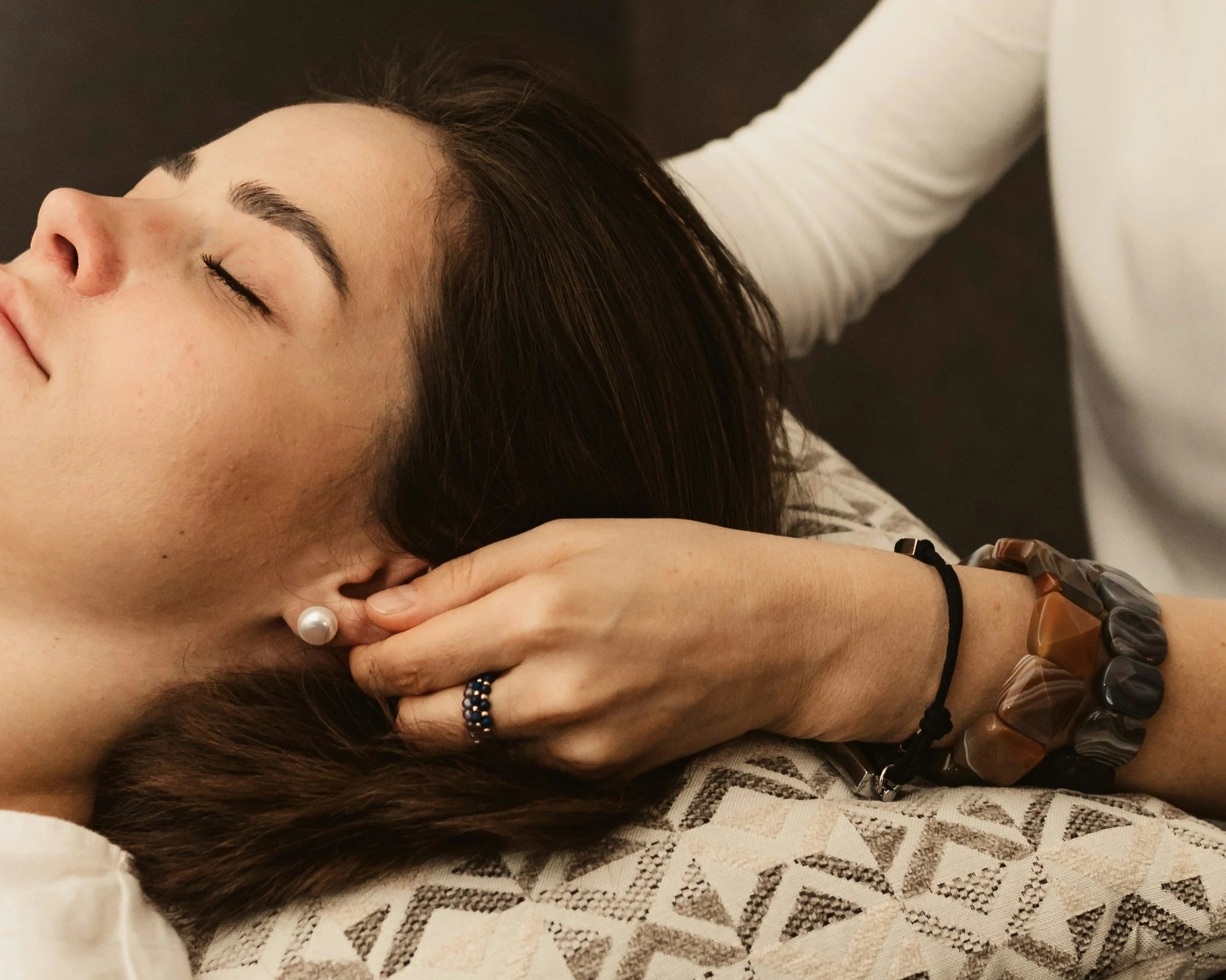
Bruxism, TMJ & Jaw Pain: Understanding the Root Causes and How Massage Therapy Helps
Jaw pain has a way of creeping into every part of life — your mornings, your meals, your sleep, even your ability to focus. Many people don’t realize that the tension they feel in their jaw, face, or temples often comes from bruxism, TMJ dysfunction, or both. These conditions can create a cycle of pain that feels overwhelming, but with the right support, relief is absolutely possible.
This guide blends clinical clarity with compassionate care, helping you understand what’s happening in your body and how therapeutic massage can help you feel more at ease.
What Is TMJ?
The temporomandibular joint (TMJ) is the small but powerful hinge that connects your jaw to your skull. When this joint becomes irritated, inflamed, or misaligned, it’s known as TMJ disorder or TMD.
Common TMJ Symptoms
Jaw tightness or pain
Clicking, popping, or grinding
Difficulty opening the mouth
Ear pain or ringing
Headaches or migraines
Facial swelling or puffiness
Neck and shoulder tension
The National Institute of Dental and Craniofacial Research notes that TMJ disorders affect millions of people each year, with women experiencing symptoms more frequently.
What Is Bruxism?
Bruxism is the involuntary clenching or grinding of teeth — often during sleep, but sometimes throughout the day. It’s one of the most common contributors to TMJ dysfunction.
Signs You May Be Clenching or Grinding
Morning jaw soreness
Worn or flattened teeth
Tension headaches
Sensitive teeth
Neck tightness
Clicking or locking jaw
The American Academy of Sleep Medicine reports that up to 30% of adults experience sleep bruxism.
How Bruxism Leads to TMJ Dysfunction
When you clench or grind, the jaw muscles — especially the masseter, temporalis, and pterygoids — work far harder than they’re meant to. Over time, this creates:
Muscle fatigue and spasms
Joint irritation
Limited jaw mobility
Facial swelling
Pain that radiates into the head, neck, and shoulders
This becomes a cycle: muscle tension → joint irritation → more clenching → more pain.
Why Does My Jaw Hurt?
Jaw pain can come from several sources, including:
TMJ dysfunction
Bruxism
Stress and anxiety
Postural strain (tech neck)
Dental issues
Sinus pressure
Injury or trauma
Massage therapy is uniquely positioned to help because it addresses muscular, fascial, and lymphatic contributors — not just the symptoms.
How Massage Therapy Helps TMJ, Bruxism & Jaw Pain
Massage therapy offers a gentle, clinically effective way to reduce pain, improve mobility, and help your jaw return to a more balanced state.
1. Intraoral TMJ Massage
This specialized technique works inside the mouth to release the deep jaw muscles — especially the pterygoids — that contribute to locking, deviation, and severe tension.
Benefits include:
Reduced clicking
Improved jaw opening
Relief from deep trigger points
Better jaw alignment and tracking
2. Masseter & Temporalis Release
These are the primary clenching muscles. Releasing them helps ease:
Morning jaw pain
Tension headaches
Facial tightness
Tooth sensitivity
3. Facial Lymphatic Drainage
TMJ dysfunction often causes swelling around the jaw, cheeks, and under the ears.
Lymphatic drainage helps:
Reduce puffiness
Improve circulation
Decrease inflammation
Support healing
4. Neck & Upper Back Massage
Because jaw pain rarely exists alone, treating the surrounding structures helps:
Reduce referred pain
Improve posture
Decrease tension that contributes to clenching
Does Massage Really Help TMJ?
Yes. Research published in the Journal of Bodywork and Movement Therapies shows that massage significantly reduces pain and improves function in people with TMJ disorders.
Massage helps by:
Relaxing, overworked muscles
Improving joint mobility
Reducing inflammation
Interrupting the clenching cycle
Supporting long‑term relief when paired with home care
Is TMJ Caused by Stress?
Stress doesn’t directly cause TMJ dysfunction, but it dramatically increases clenching and grinding, which leads to joint irritation and muscle fatigue.
Massage helps regulate the nervous system, reduce muscle guarding, and soften stress‑related jaw tension.
When Should You Seek Treatment?
You should reach out for support if you experience:
Jaw pain lasting more than 1–2 weeks
Clicking or popping
Locking or limited opening
Morning jaw soreness
Facial swelling
Headaches or ear pain
Early treatment prevents chronic dysfunction and reduces long‑term dental wear.
References
National Institute of Dental and Craniofacial Research – TMJ Disorders
American Academy of Sleep Medicine – Bruxism Statistics
Journal of Bodywork and Movement Therapies – Massage for TMJ Dysfunction
Mayo Clinic – TMJ Symptoms & Causes
Cleveland Clinic – Bruxism Overview

🌿 Lower Back Pain Relief Through Clinical Massage Therapy
Lower back pain rarely comes from a single source. Most people feel it as a mix of muscular tension, fascial restriction, postural imbalance, or a nervous system that’s been running too fast for too long. For clients with scoliosis, bulging discs, or disc degeneration, the body often develops protective patterns — gripping, bracing, shortening — that make everyday movement feel heavier and more effortful.
Massage doesn’t “fix” structural conditions, but it does change how the body responds to them. When the deeper layers of muscle and fascia soften, circulation improves, inflammation decreases, and the nervous system begins to settle. This is why massage is consistently recommended for lower back pain: it reduces muscular guarding, improves mobility, and helps the body reorganize itself so movement feels easier and more supported.
🧩 How Lower Back Pain Develops in the Body
Lower back pain often comes from:
Tight or overworked muscles
Restricted fascia that limits movement
Postural habits that strain the spine
Repetitive motion or overuse
Structural changes like scoliosis or disc issues
Stress‑driven nervous system overload
Many clients ask whether massage helps scoliosis or disc‑related pain. The answer is yes — not by changing bone structure, but by reducing the muscular imbalance and inflammation surrounding it. When the tissues around the spine soften, the body can move with more ease and less pain.
💆♀️ Evidence‑Based Massage Treatments for Lower Back Pain Deep Tissue Massage for Chronic Pain
Deep tissue massage uses slow, precise pressure to release adhesions and reduce inflammation in deeper layers of muscle. It’s especially effective for chronic pain, disc‑related discomfort, and long‑standing tension.
Swedish Massage for Stress‑Related Pain
Gentle, rhythmic work calms the nervous system and reduces tension in overactive muscles — ideal for newer pain or pain triggered by stress.
Myofascial Release for Structural Imbalance
Myofascial release works with the connective tissue to restore glide and reduce restriction. It’s essential for scoliosis, disc issues, and stiffness that stretching alone can’t resolve.
Sports Massage for Movement‑Related Pain
Sports massage blends targeted work with stretching and mobility techniques to rebalance the body and reduce strain from repetitive movement.
🔬 Why These Techniques Work
Massage helps lower back pain by:
Reducing muscular guarding around the spine
Improving circulation and tissue healing
Breaking down adhesions and fascial restrictions
Supporting structural balance for scoliosis
Easing inflammation around disc changes
Calming the nervous system so pain decreases
Improving mobility in the hips, glutes, and lower back
Clients often ask how often they should come in. For chronic or structural pain, consistent sessions every 2–4 weeks help maintain mobility and reduce flare‑ups. For acute pain, weekly sessions may be helpful until symptoms stabilize.
✨ My Clinical Approach
Every session blends deep tissue, myofascial release, and Swedish techniques based on what your body needs that day. No two sessions are the same because no two pain patterns are the same. My goal is always to reduce pain, restore mobility, and help your body feel organized again — steady, supported, and able to move with more ease.

Sports Massage Therapy: The Science, the Art, and the Path to Faster Recovery
Recovery is not just a biological process — it’s a conversation between tissue, circulation, breath, and the nervous system. Sports massage therapy sits at the center of that conversation, guiding the body back toward balance, mobility, and ease. For athletes, active bodies, and anyone navigating the strain of modern movement, sports massage becomes more than a treatment. It becomes a strategy for speedy recovery, injury prevention, and long‑term physical resilience.
In clinical practice, sports massage therapy blends targeted pressure, myofascial release, stretching, and mobility work to support the body’s natural healing mechanisms. But beneath the techniques lies something deeper: a therapeutic rhythm that helps the body remember how to repair itself.
This article explores the benefits of sports massage therapy for faster recovery, the physiology behind it, and why this modality has become essential for active bodies seeking sustainable performance.
The Physiology of Recovery: Why Sports Massage Works
Recovery is a multi‑system process. Muscles repair, fascia reorganizes, circulation increases, and the nervous system shifts from “fight‑or‑flight” into “rest‑and‑restore.” Sports massage therapy accelerates each of these phases.
1. Increased Circulation for Faster Tissue Repair
One of the most clinically measurable benefits of sports massage is its ability to increase local blood flow. When circulation improves:
Oxygen delivery increases
Nutrients reach damaged tissue more quickly
Metabolic waste (like lactic acid) clears faster
Inflammation reduces
Healing accelerates
This is why athletes often report feeling lighter, warmer, and more mobile immediately after treatment. The tissue is literally receiving more of what it needs to repair.
2. Reduction of Muscle Tension and Adhesions
Overuse, repetitive strain, and high‑intensity training create micro‑tears in muscle fibers. As the body repairs these fibers, adhesions can form — small pockets of stiffness that restrict movement.
Sports massage therapy uses:
Deep tissue pressure
Cross‑fiber friction
Myofascial release
Trigger point therapy
…to break up adhesions and restore normal tissue glide.
When muscles move freely, recovery accelerates. The body no longer wastes energy compensating for tightness or restricted mobility.
3. Improved Range of Motion and Joint Mobility
Mobility is one of the strongest predictors of injury risk. Limited range of motion forces the body into compensatory patterns that strain joints, tendons, and ligaments.
Sports massage therapy improves mobility through:
Assisted stretching
Fascial lengthening
Joint mobilization
Neuromuscular re‑education
This combination helps the body reclaim its natural movement patterns — which is essential for both performance and recovery.
4. Faster Recovery Between Workouts
Delayed onset muscle soreness (DOMS) can slow training progress and reduce performance. Sports massage therapy reduces DOMS by:
Increasing lymphatic flow
Reducing inflammation
Improving tissue elasticity
Supporting metabolic waste removal
This means athletes can return to training sooner, with less discomfort and more efficiency.
5. Nervous System Regulation
Recovery is not only physical — it is neurological.
Sports massage therapy activates the parasympathetic nervous system, shifting the body out of stress mode and into healing mode. This shift:
Reduces cortisol
Improves sleep quality
Enhances focus
Supports emotional resilience
Improves pain tolerance
For athletes managing high training loads, this regulation is essential.
6. Correction of Muscle Imbalances
Every sport creates predictable patterns of overuse:
Runners: calves, hamstrings, hip flexors
Cyclists: quads, glutes, low back
Weightlifters: shoulders, traps, forearms
Dancers: hips, ankles, core stabilizers
Sports massage therapy identifies these imbalances and corrects them before they become injuries.
This proactive approach is one of the reasons sports-massage is considered a performance therapy, not just a recovery tool.
7. Support for Scar Tissue Remodeling
After injury, scar tissue forms as part of the natural healing process. But without proper remodeling, scar tissue can limit mobility and create chronic pain.
Sports massage therapy helps:
Realign collagen fibers
Improve tissue elasticity
Reduce stiffness
Restore functional movement
This is especially important for athletes returning from strains, sprains, or surgical recovery.
What Sports Massage Feels Like
Clinical outcomes matter — but so does the lived experience of healing.
Sports massage therapy often feels like:
A deep exhale
A release of tension you didn’t know you were holding
A return to your body’s natural rhythm
A clearing of heaviness
A softening of the places that have been working too hard
There is a moment in every session — you’ve seen it countless times in your practice — when the body shifts. The breath deepens. The nervous system lets go. The tissue warms under your hands.
This moment is where recovery begins.
Sports massage therapy is not just technique. It is presence, listening, and the art of guiding the body back toward itself.
Sports Massage for Speedy Recovery: Who Benefits Most
Sports massage therapy is ideal for:
Athletes in training cycles
Runners preparing for races
Weightlifters managing high‑load training
Dancers and performers
Weekend warriors
People with physically demanding jobs
Anyone recovering from injury or repetitive strain
But it is equally powerful for people who simply want to move through life with more ease.
How Often Should You Receive Sports Massage for Optimal Recovery?
Frequency depends on training load, injury history, and recovery goals.
General guidelines:
High‑intensity athletes: 1–2 sessions per week
Moderate training schedules: every 2–3 weeks
Post‑injury recovery: weekly until mobility stabilizes
Maintenance and prevention: monthly
Consistency is what creates long‑term change.
Sports Massage Therapy vs. Other Modalities
Sports massage therapy is often paired with:
Lymphatic drainage for swelling and inflammation
Medical massage for targeted pain patterns
Deep tissue massage for chronic tension
Stretch therapy for mobility
Myofascial release for fascial restrictions
Each modality supports recovery differently, but sports massage remains the most comprehensive for active bodies.
Recovery as a Ritual
Sports massage therapy is not just about healing what hurts — it’s about honoring the body that carries you through your life.
Recovery becomes a ritual:
A place where breath meets tissue. Where movement becomes ease. Where the body remembers how to heal. Where strength returns, not through force, but through restoration.
For athletes, performers, and active bodies, sports massage therapy is the bridge between effort and ease — the place where recovery accelerates and the body finds its way back to balance.

The Benefits of Myofascial Release: How It Heals the Body and How It Differs From Lymphatic Drainage and Deep Tissue Massage
Myofascial release has become one of the most effective therapeutic approaches for people living with chronic tension, restricted mobility, postural imbalance, and pain that doesn’t respond to stretching or traditional massage.
As a Licensed Medical Massage Therapist on the Upper West Side specializing in myofascial release, lymphatic drainage, deep tissue and medical massage, sports massage, prenatal massage, and pelvic floor–informed bodywork, I see firsthand how fascia influences pain, movement, and overall, well‑being.
This guide explains what myofascial release is, how it works, and how it differs from lymphatic drainage and deep tissue massage.
What Is Fascia?
Fascia is a continuous web of connective tissue that surrounds and supports muscles, bones, nerves, blood vessels, and organs. When fascia is healthy, it moves like silk. When it becomes restricted, it behaves like shrink‑wrap.
Fascial restrictions can develop from:
• Injury or surgery • Repetitive strain • Poor posture • Chronic stress • Inflammation • Scar tissue • Emotional holding patterns • Lack of movement
Because fascia is interconnected, a restriction in one area can create pain or dysfunction somewhere else.
What Is Myofascial Release?
Myofascial release (MFR) is a gentle, sustained, hands‑on technique that works with the fascia to reduce tension, improve mobility, and restore balance. Unlike deep tissue massage, which targets muscle fibers, myofascial release uses slow, intentional holds that allow the fascia to soften and lengthen naturally.
During a session, you may feel:
• Gentle pressure • Slow stretching • A sense of melting or unwinding • Subtle shifts in tension • Deep relaxation
Myofascial release works with the nervous system, not against it.
Benefits of Myofascial Release
Reduces Chronic Pain
Fascial restrictions can compress nerves, limit circulation, and create tension patterns that lead to persistent pain. Myofascial release helps reduce:
• Neck and back pain • Hip and pelvic pain • Shoulder tension • TMJ discomfort • Sciatica‑like symptoms
Improves Mobility and Flexibility
When fascia becomes tight, it limits movement. Myofascial release restores glide between layers of tissue, allowing for:
• Greater range of motion • Better posture • Easier movement • Improved athletic performanceSupports Injury Recovery
After injury or surgery, fascia can become sticky or rigid. Myofascial release helps:
• Reduce scar tissue adhesions • Improve circulation • Restore functional movement • Decrease compensatory patterns
Supports Injury Recovery
After injury or surgery, fascia can become sticky or rigid. Myofascial release helps:
• Reduce scar tissue adhesions • Improve circulation • Restore functional movement • Decrease compensatory patterns
Regulates the Nervous System
Slow, sustained myofascial work helps shift the body out of fight‑or‑flight and into rest‑and‑restore. Patients often report:
• Feeling calmer • Sleeping better • Reduced anxiety • Less muscle guarding
Enhances Body Awareness
Myofascial release helps patients reconnect with areas of the body that feel numb, tight, or disconnected. This supports:
• Better movement patterns • Improved posture • More efficient breathing
How Myofascial Release Differs from Deep Tissue Massage
Deep Tissue Massage
• Uses firm, targeted pressure • Works directly on muscle fibers • Often includes kneading, stripping, and compression • Can feel intense or “good pain”
Best for: muscular knots, athletic recovery, localized tightness.
Myofascial Release
• Uses slow, sustained pressure • Works on fascia, not muscle fibers • Addresses whole‑body patterns • Never forces tissue
Best for: chronic pain, mobility restrictions, postural imbalance, pelvic floor tension, pain that doesn’t respond to deep pressure.
How Myofascial Release Differs From Lymphatic Drainage
Lymphatic Drainage
• Extremely gentle • Rhythmic and light • Supports lymph flow • Reduces swelling and inflammation
Best for: post‑surgical swelling, lymphedema, pregnancy swelling, chronic inflammation.
Myofascial Release
• Gentle but sustained • Works with fascial tension • Improves mobility and structural balance
Best for: chronic tension, mobility issues, postural imbalance, functional pain.
When Myofascial Release Is the Right Choice
Myofascial release is especially helpful if you experience:
• Chronic pain • Limited mobility • Postural imbalance • Pelvic floor tension • TMJ issues • Pain that moves or shifts • A sense of being “stuck” in your body.
When Lymphatic Drainage or Deep Tissue May Be Better
Choose Lymphatic Drainage if you have:
• Swelling • Post‑surgical inflammation • Lymphedema • Fluid retention
Choose Deep Tissue if you have:
• Muscular knots • Athletic soreness • Overuse injuries
Choose Myofascial Release if you have:
• Chronic pain • Mobility restrictions • Fascial tightness • Pelvic floor dysfunction
Why Myofascial Release Matters
We live in a world that compresses the body — long hours sitting, stress, screens, repetitive patterns, and constant tension. Fascia responds to all of it.
Myofascial release gives the body space again. It restores glide, breath, and movement. It helps patients feel more at home in their bodies.
Sources & Further Reading
Cleveland Clinic — Fascia and myofascial release Johns Hopkins Medicine — Connective tissue and movement NIH — Research on fascia, chronic pain, and manual therapy MD Anderson Cancer Center — Lymphatic system and swelling Mayo Clinic — Deep tissue massage overview AMTA — Evidence‑based massage therapy guidelines
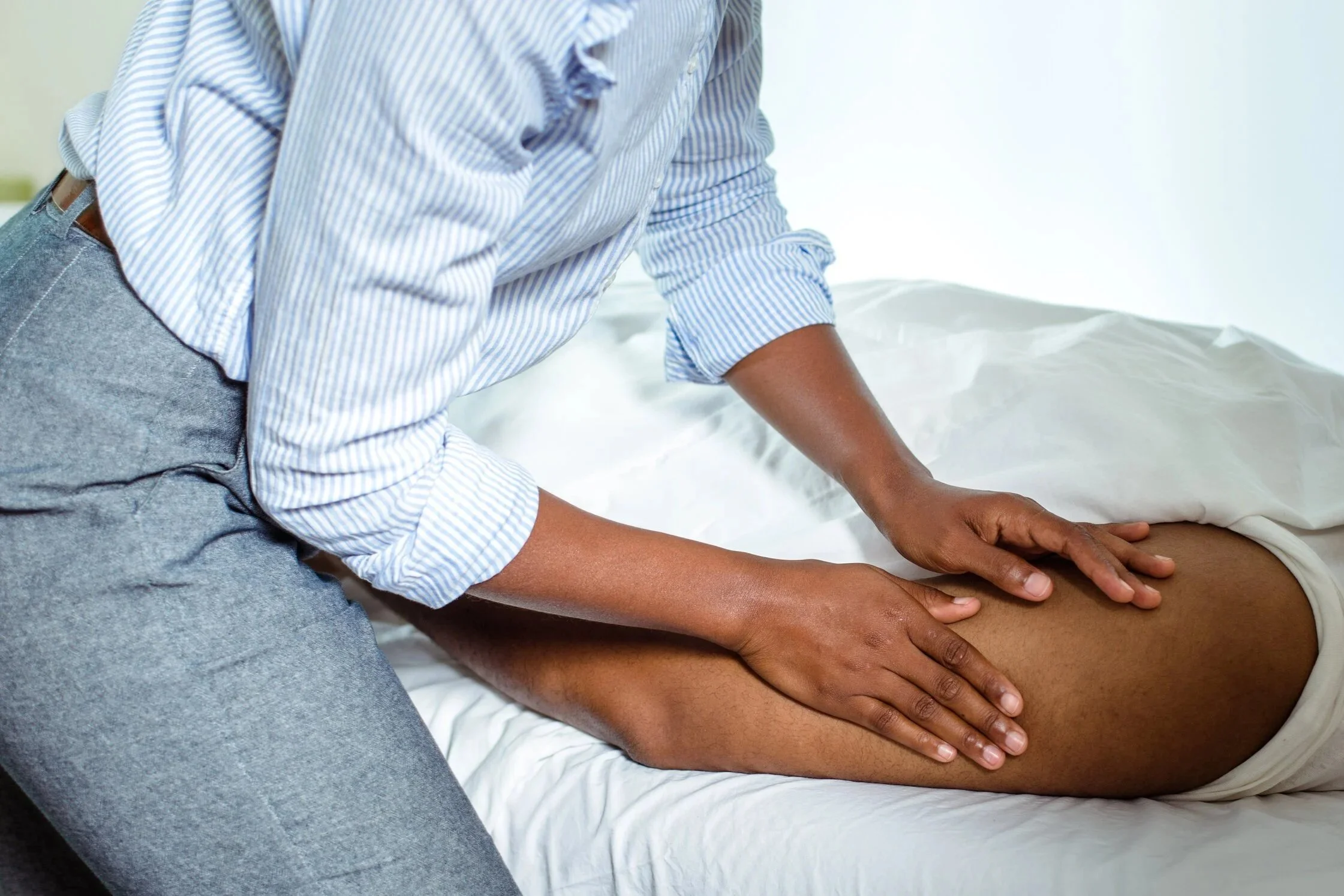
Understanding Your Lymphatic System
A gentle, essential guide to lymphatic drainage massage
Most people don’t think about their lymphatic system until something feels “off”—persistent swelling, heaviness, bloating, or that sense of being puffy and stagnant. But beneath the surface, your lymphatic system is working quietly every day to keep you balanced, clear, and well.
It’s a vast network of vessels and 600–700 lymph nodes, all moving fluid in one direction toward the heart. Unlike your circulatory system, it has no central pump. Lymph relies on breath, movement, one‑way valves, and subtle external guidance to keep flowing. When that flow slows — from stress, surgery, inflammation, or long periods of stillness — you feel it.
A helpful way to picture this system is to imagine your body as a landscape with slow‑moving rivers (the lymph vessels) and filtering marshes (the lymph nodes). These rivers don’t rush; they meander. They depend on gentle currents — your breath, your movement — to keep them moving. When those currents quiet down, the water becomes stagnant.
This is where lymphatic drainage becomes meaningful.
How Lymph Moves
Because the lymphatic system has no central pump, it depends on a few key mechanisms to keep fluid moving:
Breath
Deep breathing creates pressure changes in the chest that draw lymph upward toward the heart.
Movement
Every step, stretch, and shift in posture gently compresses lymph vessels, helping fluid move forward.
One‑Way Valves
Tiny valves inside the vessels keep lymph moving in a single direction.
Gentle External Guidance
Lymphatic drainage works by tuning into the natural rhythm of lymph flow and guiding it forward with slow, intentional pumping that supports the body’s own mechanisms.
When these elements slow down, lymph stagnates. When they’re supported, your whole system feels clearer, lighter, and more resilient.
🧘♀️ What a Session Feels Like
People are often surprised by how subtle lymphatic drainage is. There’s no digging, no pressure, no sweeping strokes, and no fascia work. Instead, it feels like:
Slow, intentional pumping that follows the natural rhythm of lymph flow
Gentle, directional hand movements that guide fluid toward healthy pathways
A soft, wave‑like sensation as lymph begins to move beneath the surface
A quiet release as tissues decongest
Deep parasympathetic calm
Clients often describe it as “barely there, but incredibly effective.”
🎼 A Metaphor for the Technique
Once you’ve felt how subtle the work is, this metaphor makes sense:
Lymphatic drainage is like a conductor guiding an orchestra that already knows the music.
Your lymphatic system is always playing — quietly, continuously — but without a central conductor, the rhythm can drift. During treatment:
Slow, intentional pumping sets a steady tempo
Gentle directional cues help different “sections” of fluid move together
Subtle adjustments bring the whole system back into harmony
The work isn’t forceful. It’s attuned. It’s collaborative. It’s about guiding the body back into its own rhythm.
📌 What Lymphatic Drainage Is Not
This clarity helps clients understand why the work feels so subtle:
It is NOT:
Deep tissue massage
Myofascial release
Skin stretching
Pressure-based work
A detox fad
A quick fix for weight loss
It is:
A medically recognized technique
A precise, fluid-focused method
A way to reduce swelling and inflammation
A support for post-surgical recovery
A gentle reset for the nervous system
🌿 Final Thoughts
Your lymphatic system is one of the most overlooked pathways to feeling better in your body. When you support it, everything else — your energy, your immunity, your sense of ease — gets a lift.
If you’re curious whether lymphatic drainage could help you, I’m always happy to talk through your symptoms, goals, and what your body might need.