


Sports Massage Therapy: The Science, the Art, and the Path to Faster Recovery
Recovery is not just a biological process — it’s a conversation between tissue, circulation, breath, and the nervous system. Sports massage therapy sits at the center of that conversation, guiding the body back toward balance, mobility, and ease. For athletes, active bodies, and anyone navigating the strain of modern movement, sports massage becomes more than a treatment. It becomes a strategy for speedy recovery, injury prevention, and long‑term physical resilience.
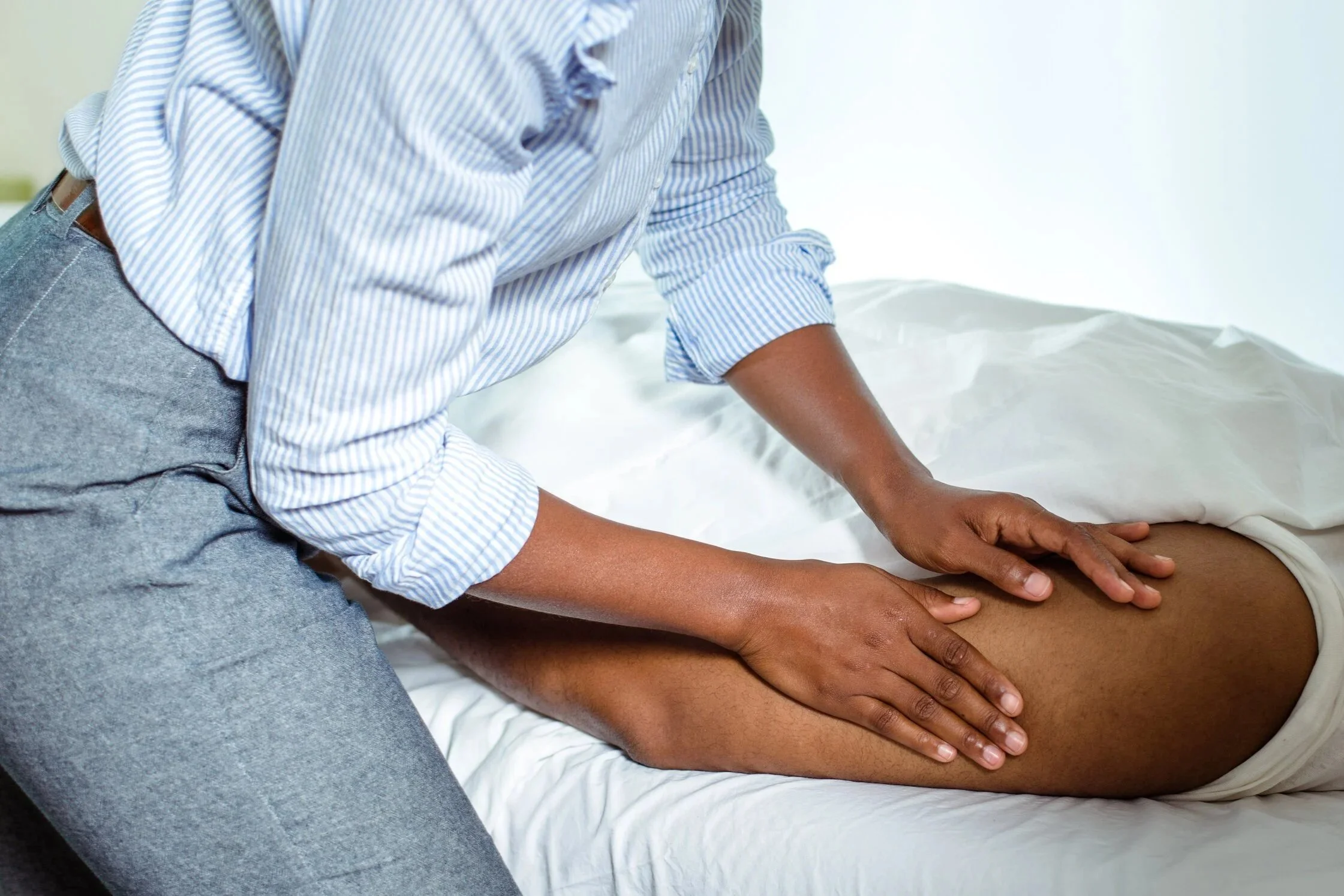
In clinical practice, sports massage therapy blends targeted pressure, myofascial release, stretching, and mobility work to support the body’s natural healing mechanisms. But beneath the techniques lies something deeper: a therapeutic rhythm that helps the body remember how to repair itself.
This article explores the benefits of sports massage therapy for faster recovery, the physiology behind it, and why this modality has become essential for active bodies seeking sustainable performance.
The Physiology of Recovery: Why Sports Massage Works
Recovery is a multi‑system process. Muscles repair, fascia reorganizes, circulation increases, and the nervous system shifts from “fight‑or‑flight” into “rest‑and‑restore.” Sports massage therapy accelerates each of these phases.
1. Increased Circulation for Faster Tissue Repair
One of the most clinically measurable benefits of sports massage is its ability to increase local blood flow. When circulation improves:
Oxygen delivery increases
Nutrients reach damaged tissue more quickly
Metabolic waste (like lactic acid) clears faster
Inflammation reduces
Healing accelerates
This is why athletes often report feeling lighter, warmer, and more mobile immediately after treatment. The tissue is literally receiving more of what it needs to repair.
2. Reduction of Muscle Tension and Adhesions
Overuse, repetitive strain, and high‑intensity training create micro‑tears in muscle fibers. As the body repairs these fibers, adhesions can form — small pockets of stiffness that restrict movement.
Sports massage therapy uses:
Deep tissue pressure
Cross‑fiber friction
Myofascial release
Trigger point therapy
…to break up adhesions and restore normal tissue glide.
When muscles move freely, recovery accelerates. The body no longer wastes energy compensating for tightness or restricted mobility.
3. Improved Range of Motion and Joint Mobility
Mobility is one of the strongest predictors of injury risk. Limited range of motion forces the body into compensatory patterns that strain joints, tendons, and ligaments.
Sports massage therapy improves mobility through:
Assisted stretching
Fascial lengthening
Joint mobilization
Neuromuscular re‑education
This combination helps the body reclaim its natural movement patterns — which is essential for both performance and recovery.
4. Faster Recovery Between Workouts
Delayed onset muscle soreness (DOMS) can slow training progress and reduce performance. Sports massage therapy reduces DOMS by:
Increasing lymphatic flow
Reducing inflammation
Improving tissue elasticity
Supporting metabolic waste removal
This means athletes can return to training sooner, with less discomfort and more efficiency.
5. Nervous System Regulation
Recovery is not only physical — it is neurological.
Sports massage therapy activates the parasympathetic nervous system, shifting the body out of stress mode and into healing mode. This shift:
Reduces cortisol
Improves sleep quality
Enhances focus
Supports emotional resilience
Improves pain tolerance
For athletes managing high training loads, this regulation is essential.
6. Correction of Muscle Imbalances
Every sport creates predictable patterns of overuse:
Runners: calves, hamstrings, hip flexors
Cyclists: quads, glutes, low back
Weightlifters: shoulders, traps, forearms
Dancers: hips, ankles, core stabilizers
Sports massage therapy identifies these imbalances and corrects them before they become injuries.
This proactive approach is one of the reasons sports-massage is considered a performance therapy, not just a recovery tool.
7. Support for Scar Tissue Remodeling
After injury, scar tissue forms as part of the natural healing process. But without proper remodeling, scar tissue can limit mobility and create chronic pain.
Sports massage therapy helps:
Realign collagen fibers
Improve tissue elasticity
Reduce stiffness
Restore functional movement
This is especially important for athletes returning from strains, sprains, or surgical recovery.
What Sports Massage Feels Like
Clinical outcomes matter — but so does the lived experience of healing.
Sports massage therapy often feels like:
A deep exhale
A release of tension you didn’t know you were holding
A return to your body’s natural rhythm
A clearing of heaviness
A softening of the places that have been working too hard
There is a moment in every session — you’ve seen it countless times in your practice — when the body shifts. The breath deepens. The nervous system lets go. The tissue warms under your hands.
This moment is where recovery begins.
Sports massage therapy is not just technique. It is presence, listening, and the art of guiding the body back toward itself.
Sports Massage for Speedy Recovery: Who Benefits Most
Sports massage therapy is ideal for:
Athletes in training cycles
Runners preparing for races
Weightlifters managing high‑load training
Dancers and performers
Weekend warriors
People with physically demanding jobs
Anyone recovering from injury or repetitive strain
But it is equally powerful for people who simply want to move through life with more ease.
How Often Should You Receive Sports Massage for Optimal Recovery?
Frequency depends on training load, injury history, and recovery goals.
General guidelines:
High‑intensity athletes: 1–2 sessions per week
Moderate training schedules: every 2–3 weeks
Post‑injury recovery: weekly until mobility stabilizes
Maintenance and prevention: monthly
Consistency is what creates long‑term change.
Sports Massage Therapy vs. Other Modalities
Sports massage therapy is often paired with:
Lymphatic drainage for swelling and inflammation
Medical massage for targeted pain patterns
Deep tissue massage for chronic tension
Stretch therapy for mobility
Myofascial release for fascial restrictions
Each modality supports recovery differently, but sports massage remains the most comprehensive for active bodies.
Recovery as a Ritual
Sports massage therapy is not just about healing what hurts — it’s about honoring the body that carries you through your life.
Recovery becomes a ritual:
A place where breath meets tissue. Where movement becomes ease. Where the body remembers how to heal. Where strength returns, not through force, but through restoration.
For athletes, performers, and active bodies, sports massage therapy is the bridge between effort and ease — the place where recovery accelerates and the body finds its way back to balance.
Understanding Your Lymphatic System
A gentle, essential guide to lymphatic drainage massage
Most people don’t think about their lymphatic system until something feels “off”—persistent swelling, heaviness, bloating, or that sense of being puffy and stagnant. But beneath the surface, your lymphatic system is working quietly every day to keep you balanced, clear, and well.
It’s a vast network of vessels and 600–700 lymph nodes, all moving fluid in one direction toward the heart. Unlike your circulatory system, it has no central pump. Lymph relies on breath, movement, one‑way valves, and subtle external guidance to keep flowing. When that flow slows — from stress, surgery, inflammation, or long periods of stillness — you feel it.
A helpful way to picture this system is to imagine your body as a landscape with slow‑moving rivers (the lymph vessels) and filtering marshes (the lymph nodes). These rivers don’t rush; they meander. They depend on gentle currents — your breath, your movement — to keep them moving. When those currents quiet down, the water becomes stagnant.
This is where lymphatic drainage becomes meaningful.
How Lymph Moves
Because the lymphatic system has no central pump, it depends on a few key mechanisms to keep fluid moving:
Breath
Deep breathing creates pressure changes in the chest that draw lymph upward toward the heart.
Movement
Every step, stretch, and shift in posture gently compresses lymph vessels, helping fluid move forward.
One‑Way Valves
Tiny valves inside the vessels keep lymph moving in a single direction.
Gentle External Guidance
Lymphatic drainage works by tuning into the natural rhythm of lymph flow and guiding it forward with slow, intentional pumping that supports the body’s own mechanisms.
When these elements slow down, lymph stagnates. When they’re supported, your whole system feels clearer, lighter, and more resilient.
🧘♀️ What a Session Feels Like
People are often surprised by how subtle lymphatic drainage is. There’s no digging, no pressure, no sweeping strokes, and no fascia work. Instead, it feels like:
Slow, intentional pumping that follows the natural rhythm of lymph flow
Gentle, directional hand movements that guide fluid toward healthy pathways
A soft, wave‑like sensation as lymph begins to move beneath the surface
A quiet release as tissues decongest
Deep parasympathetic calm
Clients often describe it as “barely there, but incredibly effective.”
🎼 A Metaphor for the Technique
Once you’ve felt how subtle the work is, this metaphor makes sense:
Lymphatic drainage is like a conductor guiding an orchestra that already knows the music.
Your lymphatic system is always playing — quietly, continuously — but without a central conductor, the rhythm can drift. During treatment:
Slow, intentional pumping sets a steady tempo
Gentle directional cues help different “sections” of fluid move together
Subtle adjustments bring the whole system back into harmony
The work isn’t forceful. It’s attuned. It’s collaborative. It’s about guiding the body back into its own rhythm.
📌 What Lymphatic Drainage Is Not
This clarity helps clients understand why the work feels so subtle:
It is NOT:
Deep tissue massage
Myofascial release
Skin stretching
Pressure-based work
A detox fad
A quick fix for weight loss
It is:
A medically recognized technique
A precise, fluid-focused method
A way to reduce swelling and inflammation
A support for post-surgical recovery
A gentle reset for the nervous system
🌿 Final Thoughts
Your lymphatic system is one of the most overlooked pathways to feeling better in your body. When you support it, everything else — your energy, your immunity, your sense of ease — gets a lift.
If you’re curious whether lymphatic drainage could help you, I’m always happy to talk through your symptoms, goals, and what your body might need.