

When Relaxation Isn't Enough: How Clinical Massage Therapy Differs from a Standard Spa Massage
When you are feeling stressed, overwhelmed, or physically tense after a long week, booking a trip to the local day spa feels like the ultimate cure. Dimmed lights, soft ambient music, soothing aromatherapy, and a relaxing Swedish massage work wonders for unwinding the mind.
However, if you are dealing with persistent muscle tightness, chronic pain, a nagging postural imbalance, or recovering from surgery, you have likely noticed something frustrating: the relaxation wears off almost immediately, and the pain comes right back.
When tension is rooted in deep structural dysfunction, an injury, or repetitive strain, relaxation alone simply isn't enough. That is where clinical massage therapy steps in.
Understanding the difference between a luxury spa massage and a clinical, outcome-driven session can help you save time, reduce your pain faster, and get the actual results your body needs.
What to Expect from a Spa Massage
Spa massages are designed primarily for wellness, relaxation, and stress reduction.
The Goal: To calm the nervous system, lower cortisol levels, improve general circulation, and provide an escape from daily pressures.
Techniques Used: Light-to-moderate Swedish massage strokes, eucalyptus or lavender aromatherapy, hot stones, and gentle full-body sequencing.
The Environment: Designed as an immersive sensory escape—think plush robes, ambient soundscapes, and candlelit rooms.
Best For: Self-care days, mental decompression, managing minor everyday stress, or treating yourself to a pampering experience.
What to Expect from Clinical Massage Therapy
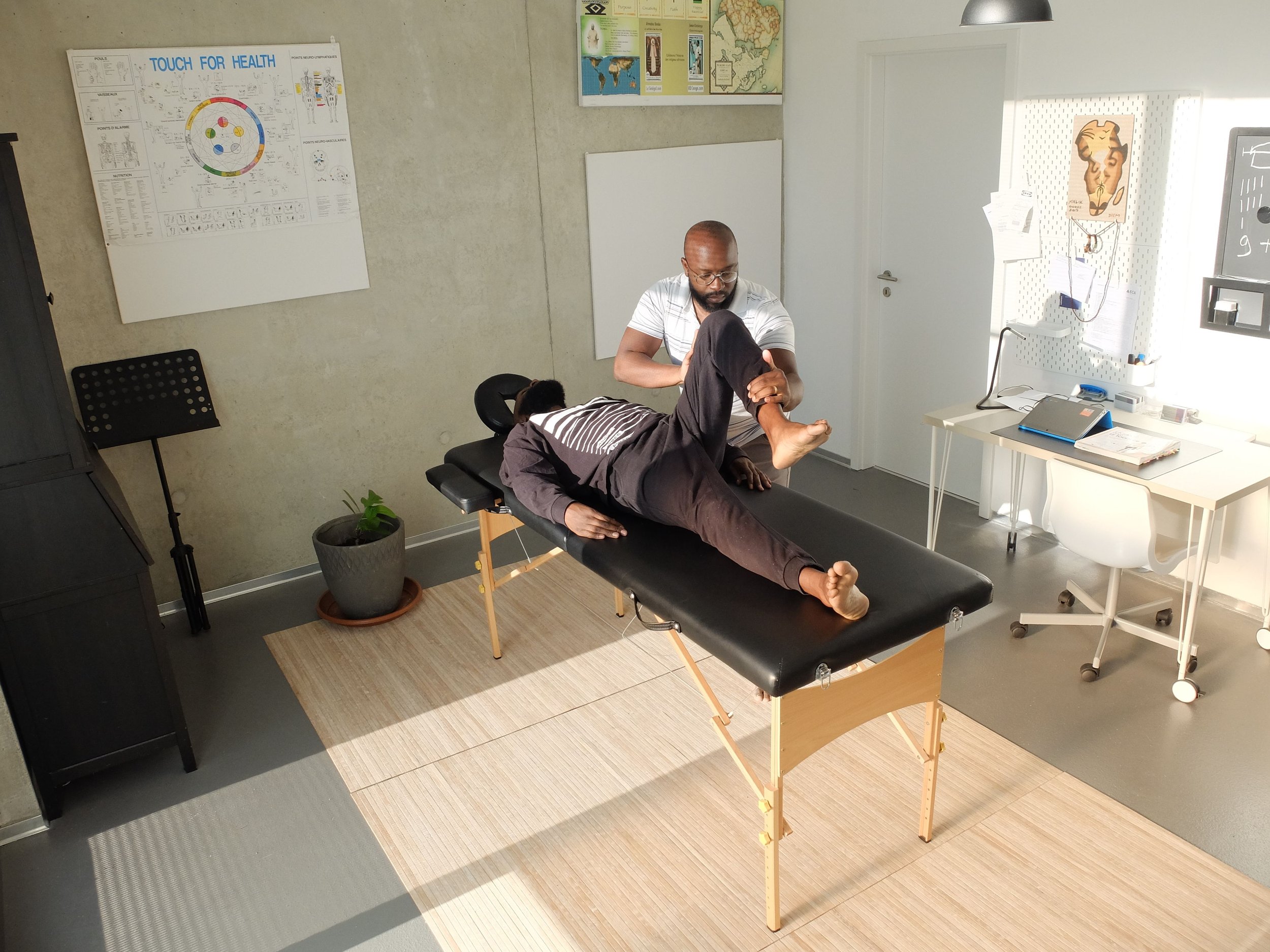
Clinical massage therapy is an outcome-driven, rehabilitative health service. Rather than following a generalized, full-body routine, a clinical session is entirely customized based on an assessment of your movement patterns, postural alignment, and specific pain complaints.
The Goal: To target the root cause of pain, release chronic soft-tissue restrictions, improve joint range of motion, reduce scar tissue, and support active rehabilitation protocols.
Techniques Used: Highly focused manual therapy modalities, including deep tissue work, myofascial release, neuromuscular therapy, trigger point therapy, and manual lymphatic drainage (MLD).
The Environment: Professional, clean, and focused entirely on your functional recovery and therapeutic goals.
Best For: Individuals managing chronic pain conditions, recovering from orthopedic or post-operative procedures (such as lipedema surgery or joint replacements), dealing with sports injuries, or working alongside physical therapy to restore mobility.
Side-by-Side Comparison: Spa vs. Clinical Massage
The Goal
The primary difference lies in the ultimate objective:
Spa Massage: The emphasis is on relaxation and stress reduction. While a spa massage will relieve some muscle tension, its main goal is to promote a feeling of overall well-being and provide an escape from the daily grind.
Clinical Massage: The primary goal of a clinical massage is to address specific physical issues. It focuses on pain reduction, injury rehabilitation, and improving range of motion.
The Intake
The intake process sets the stage for the rest of the session, and it differs significantly:
Spa Massage: Before your spa massage, you will likely be asked about your general preferences, such as the level of pressure you prefer, and any aromatherapy scents you enjoy. The intake is focused on ensuring your immediate comfort.
Clinical Massage: In a clinical setting, you can expect a more thorough assessment. Your therapist will discuss your medical history, any current pain or injuries, and your specific goals. They might also assess your posture and range of motion to develop a treatment plan tailored to your needs.
The Technique
The actual massage techniques will vary based on the primary goal:
Spa Massage: Spa massage techniques are typically light, flowing, and rhythmic, like Swedish massage. The focus is on creating a relaxing and pampering experience. The massage is typically full-body, covering all major muscle groups.
Clinical Massage: Clinical massage uses a wide variety of specific, targeted techniques. Examples include:
Deep Tissue Massage: For releasing chronic tension.
Neuromuscular Therapy: To address trigger points and improve muscle function.
Myofascial Release: For addressing restrictions in the body's connective tissue.
Manual Lymphatic Drainage: To promote healing and reduce swelling.
The Setting
The environment also contributes to the difference:
Spa Massage: Spa massages are provided in a luxurious, relaxing environment. Think dimmed lights, soothing music, and other sensory-rich elements designed to calm your mind and spirit.
Clinical Massage: Clinical massages take place in a focused treatment environment, with a greater focus on the therapist's work and your healing process.
The Outcome
The desired outcome is what ultimately guides your choice:
Spa Massage: Expect temporary relief from stress and a profound sense of relaxation. You’ll leave feeling refreshed, pampered, and perhaps a little sleepy.
Clinical Massage: The goal is to achieve long-term physical improvements, such as reduced pain, increased mobility, and improved posture. You may need several sessions to fully achieve your goals.
The Choice
The best way to decide between a spa and a clinical massage is to reflect on your current needs.
Choose a Spa Massage if: You are feeling stressed and overwhelmed, are looking for general relaxation, or simply want to treat yourself to a moment of peace and tranquility.
Choose a Clinical Massage if: You are experiencing chronic pain, are recovering from an injury, are limited in your range of motion, or are looking for a treatment that can improve your physical performance.
By understanding these key differences, you can make an informed choice and find the right type of massage to support your health and well-being.
How to Choose the Right Approach for Your Body
Choosing between a spa day and a clinical appointment comes down to asking one simple question: What is the primary problem I am trying to solve today?
Choose a spa massage if: Your mind is exhausted, your muscles are tired from a busy week, and you simply want to disconnect, destress, and enjoy an hour of pure tranquility.
Choose clinical massage therapy if: You wake up with stiffness that doesn't go away, you have a restricted range of motion when turning your neck or reaching overhead, you are recovering from an injury or surgery, or your physical pain is interfering with your daily life.
Experience Targeted Relief in Manhattan and Queens
If you are ready to move past temporary fixes and address the root cause of your physical discomfort, specialized care can make all the difference.
At BhavishaMMT, we specialize in clinical massage therapy, manual therapy, and rehabilitative soft-tissue care designed to reduce pain and restore your freedom of movement.
Book your tailored clinical session today or visit our service page to learn more about how targeted clinical care can help you feel your best in Manhattan and Queens.

Beyond Relaxation: Why Clinical Massage Therapy and Women’s Health Drive My Life’s Work
I never liked the idea of simply rubbing oil on someone. I always felt that as a clinical massage therapist, I have the ability to truly help someone heal, regain their mobility, and feel whole in their own bodies.
I didn’t want to limit my practice to one specific type of person. I want to help anyone who wants to stand straight, bend down to pick up their child, walk with greater ease, breathe correctly, and experience a speedy recovery after injury or surgery. I want to support the pregnant woman who is tired, in pain, and exhausted from being told that her discomfort is "just normal." I want to help the person whose nervous system is stuck in fight-or-flight. Above all, I want my patients to feel supported, nurtured, and heard.
The Evolution of My Practice
When you step into my office, my goal is to understand the whole picture so I can provide targeted, rehabilitative care and guide you toward the right resources. Clinical manual therapy isn't just about temporary tension relief—it’s about restoring function and empowering you to move through life with confidence.
Advocating for Women’s Health
That commitment to deep, individualized care is where my dedication to women’s health truly begins. For years, my own health issues went ignored by both male and female doctors. I spent years feeling like a human guinea pig, gathering information and learning how to share it with other women.
It became increasingly painful and aggravating to realize that my struggles weren't isolated incidents. The more I spoke with women—regardless of their age—the more these shared stories came to light.
The Teenage Years: When I first learned about PMDD (Premenstrual Dysphoric Disorder) in my 40s, my immediate thought was: How many teenage girls go through this every single month without even knowing it's a recognized condition?
Early Disruptions: I was only 27 when I was told my egg supply was declining, and in my early 30s when I was told I was perimenopausal. By my 40s, I was dealing with osteopenia and other issues that had gone undiagnosed or misdiagnosed.
Learning to Advocate—Together
Women’s health became a central pillar of my life because I didn’t truly learn how to properly advocate for myself until last year. That experience is why I decided to speak more openly with women about what to expect through every phase of life.
When you enter my office, you aren't just getting a session—you are getting a partner in your wellness. By listening closely, educating with empathy, and providing real clinical support, my goal is to give every patient hope and a clear path toward feeling whole again.
If you are looking for specialized clinical support in Manhattan or Bayside, https://scheduleitnow.as.me/