Plantar Fasciitis: Understanding Heel Pain and Finding Relief Through Massage
Heel pain has a way of stealing the joy from simple moments — that first step out of bed, the walk to the train, the errands you used to breeze through. For many people, this pain has a name: plantar fasciitis.
It’s one of the most common causes of heel pain, and it often arrives quietly, building over time until one day your foot says, “I need help.”
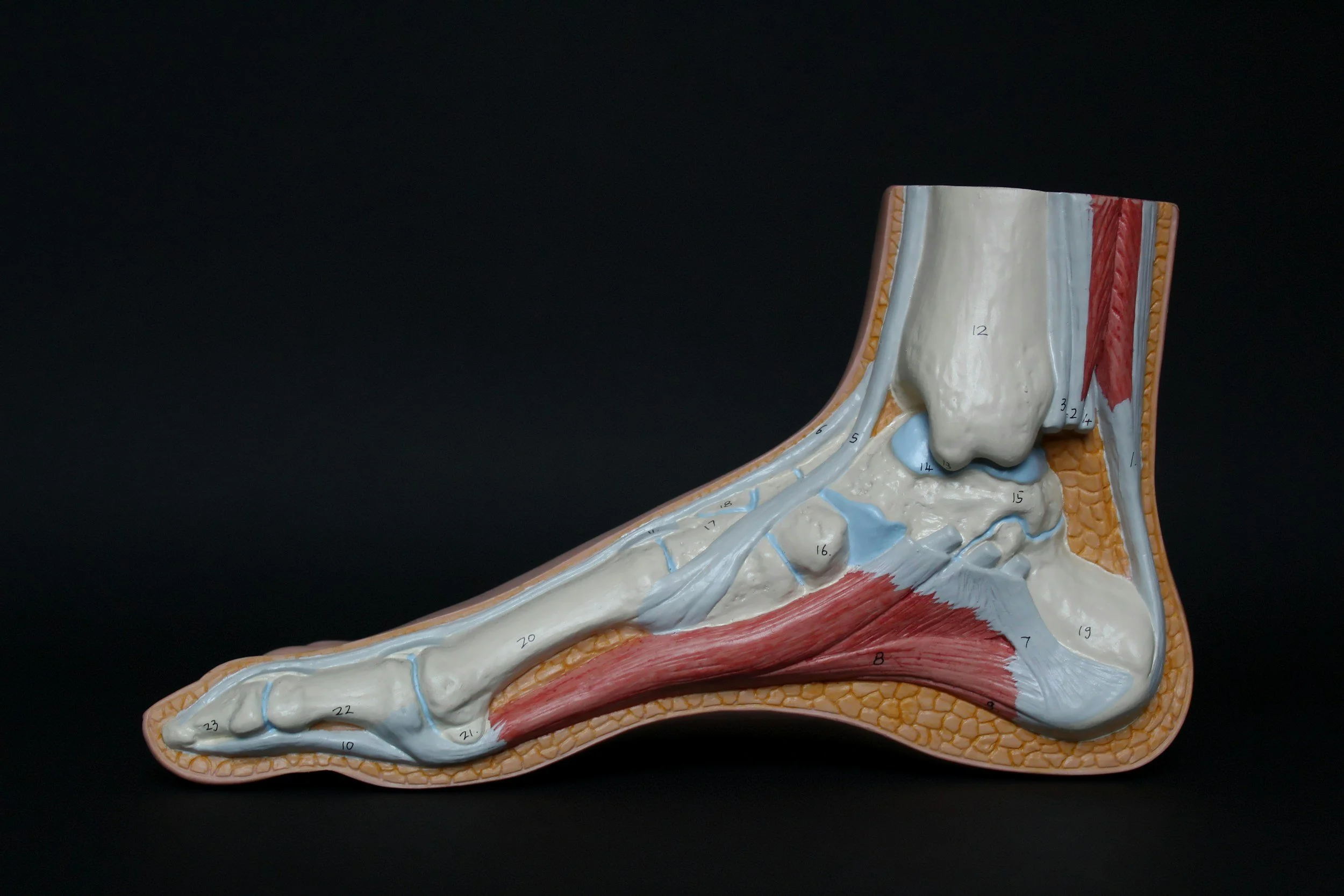
The plantar fascia — the strong band of connective tissue that supports your arch — works with every step you take. When it becomes irritated or overstressed, even gentle movement can feel sharp, tender, or unexpectedly intense.
How Plantar Fasciitis Often Feels
Clients often describe:
A sharp heel pain with the first steps of the morning
Tightness through the arch or calf
Pain after long periods of standing
Relief with movement, followed by pain returning after rest
It’s a small area of the body, but when it’s irritated, it can affect your entire day.
Why It Happens
Plantar fasciitis can develop for many reasons — long hours on your feet, running, flat feet or high arches, tight calves, or shoes that don’t offer enough support. Sometimes it appears without a clear cause at all.
What matters most is understanding that the pain is real, common, and treatable with the right support.
How Massage Therapy Helps (Warmly, Gently, Clinically)
Massage therapy offers a grounded, non‑invasive way to support plantar fasciitis. It doesn’t force the tissue — it guides it. With steady, intentional work, massage can:
1. Ease Pain in the Plantar Fascia
Gentle, focused techniques help soften tension and reduce the strain that contributes to heel pain.
2. Improve Circulation
Better blood flow supports the body’s natural healing process and helps calm irritation.
3. Release Tight Calves and Achilles Tissue
These structures often pull on the heel and fascia. When they soften, the foot can finally exhale.
4. Support More Comfortable Movement
With consistent care, walking, standing, and daily activity begin to feel easier and more fluid.
5. Provide Relief Without Aggressive Pressure
Plantar fasciitis responds best to thoughtful, patient‑centered work — not digging, forcing, or pushing through pain.
This is where clinical skill meets compassionate touch.
What a Session Looks Like in My Practice
In both my Queens and Upper West Side studios, treatment is tailored to your symptoms, comfort level, and goals. A session may include:
Gentle fascial work along the arch
Calf and Achilles soft‑tissue release
Ankle mobility techniques
Supportive home care you can actually follow
Every session I offer is tailored, intentional, and grounded in genuine care. My goal is to help you feel heard, supported, and steadily guided toward relief.
When to Seek Additional Care
If heel pain lasts more than a week, worsens, or begins to limit your ability to walk, it’s important to consult a healthcare provider for a full evaluation.
Massage therapy is a powerful part of the healing process — and often the missing piece.
Ready to Support Your Healing
If plantar fasciitis is slowing you down, I’m here to help you move with more comfort and confidence. I welcome clients in both Queens and the Upper West Side who are ready to feel more at ease in their bodies again.