
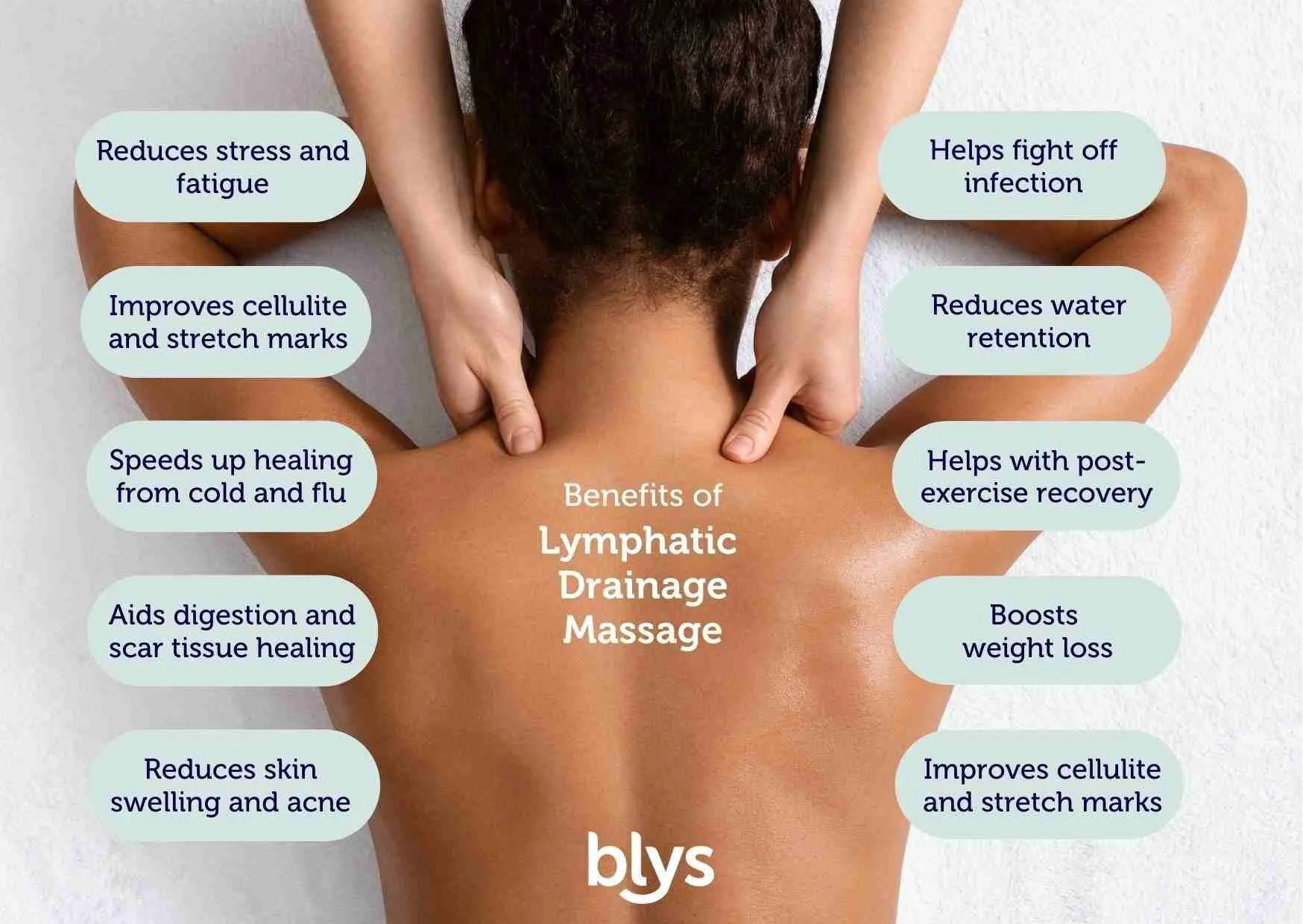
🌫️ The Lymphatic System & Brain Fog
Why sluggish lymph can make your mind feel heavy — and how gentle drainage helps
Most people think of the lymphatic system as something that affects swelling in the body — puffy ankles, post‑surgical inflammation, that sense of being “backed up.” But your lymphatic system also plays a quiet, essential role in how clearly you think.
When lymph flow slows, your body feels heavy. When it slows in the head and neck, your mind can feel heavy too.
Brain fog isn’t just a mental experience. It’s often a physiological congestion issue.🌿 First, a quick look at your lymphatic system
Your lymphatic system is a vast network of vessels and 600–700 lymph nodes that filter waste, regulate fluid balance, and support immunity. Unlike your circulatory system, it has no central pump. Lymph moves because of:
Breath
Muscle movement
One‑way valves
Subtle external guidance (like lymphatic drainage)
When these mechanisms slow down — from stress, inflammation, long hours at a desk, illness, or hormonal shifts — lymph stagnates. And stagnation doesn’t just show up in the limbs. It can show up in your head, face, and cognitive clarity.
🧠 How lymph affects your brain
Your brain has its own waste‑clearing system called the glymphatic system. It works mostly at night, using slow rhythmic pulses and cerebrospinal fluid to clear out metabolic waste — including proteins linked to inflammation and cognitive sluggishness.
Here’s the important part:
The glymphatic system drains into the lymphatic system.
If lymph flow in the neck and upper body is congested, the brain’s waste‑clearing system has nowhere to send its “trash.”
This can lead to:
Morning grogginess
Midday mental heaviness
Difficulty concentrating
A sense of “pressure” behind the eyes or forehead
Fatigue that feels disproportionate to your day
It’s not that your brain isn’t working. It’s that it’s working through fog.
🌬️ A metaphor that helps
Think of your brain as a busy city and your lymphatic system as the network of roads that carry waste out of town.
When the roads are clear, traffic moves. When the roads are blocked, everything slows — including your ability to think.
Lymphatic drainage doesn’t “fix” the city. It simply opens the roads so the system can function the way it’s designed to.
💆♀️ How lymphatic drainage helps with brain fog
Lymphatic drainage is extremely gentle — slow, rhythmic, and precise. It focuses on clearing the main drainage pathways in the neck, face, and upper chest so the brain has space to offload waste.
Clients often notice:
A lighter, clearer head
Easier focus
Reduced facial puffiness
Better sleep
Less pressure behind the eyes
A calmer nervous system
The work is subtle, but the shift can feel profound.
🧘♀️ What a session feels like
Lymphatic drainage is not deep tissue, fascia work, or pressure‑based massage. It feels like:
Soft, intentional pumping
Gentle directional movements
A wave‑like rhythm that encourages fluid to move
A deep parasympathetic drop — the “rest and digest” state
Many clients describe it as “barely there, but incredibly effective.”
🔍 When brain fog is lymph-related
While brain fog can have many causes, lymph stagnation is especially common when you’re experiencing:
PMS or hormonal shifts
Post‑viral inflammation
Chronic stress
Poor sleep
Long hours sitting or working at a computer
Sinus congestion
Post‑surgical swelling in the head/neck area
If you feel puffy, heavy, or mentally slow — especially in the morning — lymphatic congestion may be part of the picture.
🌿 Final thoughts
Your lymphatic system is one of the most overlooked pathways to mental clarity. When it flows well, your body feels lighter and your mind feels clearer.
If you’re curious whether lymphatic drainage could help with your brain fog, I’m always happy to talk through your symptoms and see what your body might need.
Book your Lymphatic Drainage appointment today.
Why sluggish lymph can make your mind feel heavy — and how gentle drainage helps
Most people think of the lymphatic system as something that affects swelling in the body — puffy ankles, post‑surgical inflammation, that sense of being “backed up.” But your lymphatic system also plays a quiet, essential role in how clearly you think.
When lymph flow slows, your body feels heavy. When it slows in the head and neck, your mind can feel heavy too.
Brain fog isn’t just a mental experience. It’s often a physiological congestion issue.
🌿 First, a quick look at your lymphatic system
Your lymphatic system is a vast network of vessels and 600–700 lymph nodes that filter waste, regulate fluid balance, and support immunity. Unlike your circulatory system, it has no central pump. Lymph moves because of:
Breath
Muscle movement
One‑way valves
Subtle external guidance (like lymphatic drainage)
When these mechanisms slow down — from stress, inflammation, long hours at a desk, illness, or hormonal shifts — lymph stagnates. And stagnation doesn’t just show up in the limbs. It can show up in your head, face, and cognitive clarity.
🧠 How lymph affects your brain
Your brain has its own waste‑clearing system called the glymphatic system. It works mostly at night, using slow rhythmic pulses and cerebrospinal fluid to clear out metabolic waste — including proteins linked to inflammation and cognitive sluggishness.
Here’s the important part:
The glymphatic system drains into the lymphatic system.
If lymph flow in the neck and upper body is congested, the brain’s waste‑clearing system has nowhere to send its “trash.”
This can lead to:
Morning grogginess
Midday mental heaviness
Difficulty concentrating
A sense of “pressure” behind the eyes or forehead
Fatigue that feels disproportionate to your day
It’s not that your brain isn’t working. It’s that it’s working through fog.
🌬️ A metaphor that helps
Think of your brain as a busy city and your lymphatic system as the network of roads that carry waste out of town.
When the roads are clear, traffic moves. When the roads are blocked, everything slows — including your ability to think.
Lymphatic drainage doesn’t “fix” the city. It simply opens the roads so the system can function the way it’s designed to.
💆♀️ How lymphatic drainage helps with brain fog
Lymphatic drainage is extremely gentle — slow, rhythmic, and precise. It focuses on clearing the main drainage pathways in the neck, face, and upper chest so the brain has space to offload waste.
Clients often notice:
A lighter, clearer head
Easier focus
Reduced facial puffiness
Better sleep
Less pressure behind the eyes
A calmer nervous system
The work is subtle, but the shift can feel profound.
🧘♀️ What a session feels like
Lymphatic drainage is not deep tissue, fascia work, or pressure‑based massage. It feels like:
Soft, intentional pumping
Gentle directional movements
A wave‑like rhythm that encourages fluid to move
A deep parasympathetic drop — the “rest and digest” state
Many clients describe it as “barely there, but incredibly effective.”
🔍 When brain fog is lymph-related
While brain fog can have many causes, lymph stagnation is especially common when you’re experiencing:
PMS or hormonal shifts
Post‑viral inflammation
Chronic stress
Poor sleep
Long hours sitting or working at a computer
Sinus congestion
Post‑surgical swelling in the head/neck area
If you feel puffy, heavy, or mentally slow — especially in the morning — lymphatic congestion may be part of the picture.
🌿 Final thoughts
Your lymphatic system is one of the most overlooked pathways to mental clarity. When it flows well, your body feels lighter and your mind feels clearer.
If you’re curious whether lymphatic drainage could help with your brain fog, I’m always happy to talk through your symptoms and see what your body might need.
How Lymphatic Drainage Helps Ease PMS Symptoms A gentle, science‑supported approach to hormonal balance and monthly relief
First, a Quick Refresher: What the Lymphatic System Does
Your lymphatic system is your body’s fluid‑balancing, waste‑clearing, immune‑supporting network. It helps:
Move excess fluid out of tissues
Reduce inflammation
Support immune function
Clear cellular waste
Maintain overall fluid balance
When lymph flow slows—due to stress, hormonal shifts, or inactivity—you may feel puffy, swollen, fatigued, or emotionally overloaded. These sensations often intensify in the week before menstruation.
Why PMS and Lymphatic Congestion Are Connected
During the luteal phase (the week before your period), your body naturally retains more fluid. Hormonal fluctuations—especially changes in progesterone and estrogen—can also increase inflammation and sensitivity.
This combination can lead to:
Bloating
Breast tenderness
Water retention
Headaches
Mood swings
Fatigue
Pelvic heaviness
A 2025 clinical trial is currently investigating the effects of manual lymphatic drainage on PMS symptoms, including pain, heart rate variability, and quality of life.
While research is still evolving, early findings and decades of clinical practice suggest that supporting lymph flow can reduce the intensity of PMS symptoms. How Lymphatic Drainage Helps With PMS
Lymphatic drainage is a gentle, rhythmic technique that works just under the skin to stimulate lymph flow. It’s not deep tissue. It’s not pressure‑based. It’s slow, intentional, and deeply calming.
Here’s how it helps:
1. Reduces Bloating and Water Retention
Hormonal shifts can cause fluid to pool in the abdomen, legs, and face. Lymphatic drainage helps move this fluid back into circulation, reducing puffiness and heaviness.
2. Eases Breast Tenderness
Breast tissue is rich in lymph vessels. Gentle lymphatic work can reduce swelling and sensitivity in the days leading up to menstruation.
3. Supports Hormonal Balance
Emerging research shows a strong connection between lymphatic health and hormonal regulation. When lymph flow improves, the body clears inflammatory byproducts more efficiently, which may help stabilize mood and energy.
4. Calms the Nervous System
The slow, rhythmic nature of lymphatic drainage activates the parasympathetic nervous system—your rest‑and‑digest mode. This can ease irritability, anxiety, and PMS‑related stress.
5. Reduces Headaches and Sinus Pressure
Many PMS headaches are linked to fluid retention and inflammation. Lymphatic drainage around the neck, face, and clavicles can help relieve pressure.
6. Improves Sleep and Energy
By reducing inflammation and supporting the nervous system, many clients report deeper sleep and more stable energy during their cycle.
3 Steps to Support Your Lymphatic System Before Your Period
Step 1 — Start With Deep Belly Breathing
Inhale slowly through your nose
Let your belly expand breathing upward expanding the rib cage.
Exhale fully squeezing in the belly and emptying the rib cage.
Repeat for 1–2 minutes Breathing stimulates the cisterna chyli, it lies below the diaphragm, a major lymphatic hub.
Step 2— Support Abdominal Flow
Use slow, clockwise circles around the belly to ease bloating and digestive sluggishness.
Step 3—Encourage Leg and Pelvic drainage
Elevate the legs and allow the fluid to flow back into the inguinal nodes which are by the groin until the legs feel lighter reducing the heaviness and swelling.
These steps are supportive, not a replacement for a lymphatic drainage session.
What a PMS‑Focused Lymphatic Drainage Session Feels Like
Clients often describe this work as:
Light, rhythmic, and soothing
A sense of warmth and release
Deeply grounding
Surprisingly effective despite its gentleness
Many fall asleep. Others feel their nervous system “exhale” for the first time all week.
When to Schedule Lymphatic Drainage for PMS Relief
For best results, many clients book:
1 session the week before menstruation
1 session during the first 1–2 days of their cycle (optional)
Monthly maintenance for long‑term hormonal balance
This rhythm supports fluid movement, reduces inflammation, and helps regulate the stress response throughout the cycle.
External Links to Complement the Content
Clinical Evidence on Lymphatic Drainage Massage (general benefits and mechanisms)
MedBound Times: Lymphatic Drainage Massage Guide (clear explanation of how MLD works)
Clinical Trial on MLD for PMS (2025 study)
Final Thoughts
PMS doesn’t have to feel like a monthly battle. When you support your lymphatic system, you support your hormones, your mood, your energy, and your overall sense of ease. Lymphatic drainage offers a gentle, effective way to reduce bloating, calm inflammation, and help your body move through the menstrual cycle with more comfort and clarity.
Is Prenatal Massage Good for Baby’s Health? What the Research Shows

Pregnant woman and her partner embracing their baby invitro.
Expecting parents often wonder whether prenatal massage supports not only their own comfort but also their baby’s well‑being. The answer is yes—when performed by a trained prenatal therapist, prenatal massage can create measurable benefits for both mother and baby. Research continues to show that reducing maternal stress, improving circulation, and supporting hormonal balance can positively influence fetal development and newborn outcomes.
This guide explains how prenatal massage supports your baby, what the science says, and how to safely integrate it into your pregnancy care routine.
🌿 How Prenatal Massage Supports Baby’s Development
A baby’s environment is shaped by the mother’s physical, emotional, and hormonal state. When prenatal massage reduces stress, improves circulation, and supports better sleep, those changes ripple directly into the womb.
Key ways prenatal massage benefits your baby
Improved circulation — Better blood flow means more oxygen and nutrients reach the placenta, supporting healthy fetal growth.
Lower maternal stress hormones — High cortisol levels are linked to preterm birth and low birth weight. Massage helps reduce cortisol and increase serotonin and dopamine.
Enhanced immune function — A calmer nervous system supports a stronger maternal immune response, creating a healthier environment for the baby.
Better sleep for the mother — Restorative sleep supports hormonal balance and fetal development.
Reduced swelling and discomfort — When the mother feels physically supported, her nervous system stays calmer, which benefits the baby’s developing nervous system.
If swelling or fluid retention is part of your pregnancy experience, you can learn more about lymphatic support in my Lymphatic Drainage section: https://www.bhavishacldtmmt.com/treatments#lymphatic-drainage (bhavishacldtmmt.com in Bing)🌼 What the Research Says About Prenatal Massage and Baby Health
Several studies and professional organizations—including the American Pregnancy Association and Cleveland Clinic—highlight the connection between maternal stress reduction and improved newborn outcomes.
Research shows prenatal massage can:
Decrease anxiety and depression symptoms in pregnant women
Improve labor outcomes, including shorter labor duration and reduced pain perception
Support newborn health, including higher birth weight and lower risk of preterm delivery
Increase oxytocin, the hormone associated with bonding and emotional regulation
External references you can explore:
American Pregnancy Association — Prenatal Massage Benefits
Cleveland Clinic — Prenatal Massage Overview
NIH‑published studies on prenatal stress and fetal development
These findings reinforce what therapists see clinically: when the mother’s nervous system is supported, the baby benefits too.
🧘♀️ Why Reducing Maternal Stress Matters for Baby
Stress hormones cross the placenta. When the mother’s nervous system is in a constant state of alert, the baby receives those signals too. Prenatal massage helps interrupt that cycle by:
Calming the sympathetic nervous system
Encouraging deeper breathing
Supporting emotional regulation
Creating a sense of feeling grounded and safety
Lower stress levels during pregnancy are associated with healthier fetal brain development and improved newborn temperament.
If you’re curious about how I approach nervous‑system‑supportive work, explore more on my Massage Blog: https://www.bhavishacldtmmt.com/massage-blog
🌸 What Makes Prenatal Massage Different?
Prenatal massage is not simply a “regular massage with a baby bump.” It is a specialized modality that uses:
Side‑lying positioning with supportive pillows
Gentle, Swedish‑based techniques
Avoidance of deep pressure, especially on the legs and abdomen
Specialized bolsters or prenatal pillows to support the spine and pelvis
Therapists trained in pregnancy anatomy and safety
These modifications ensure comfort, safety, and optimal circulation for both mother and baby.
To see how I structure prenatal sessions in my practice, visit my Restoration Treatments page: https://www.bhavishacldtmmt.com/treatments
Step‑by‑Step: How to Safely Incorporate Prenatal Massage Into Your Pregnancy
These steps help you build a safe, supportive routine that benefits both you and your baby.
1. Get medical clearance
Most providers recommend beginning prenatal massage after the first trimester. Always check with your OB‑GYN or midwife first, especially if you have high‑risk conditions.
2. Choose a certified prenatal therapist
Look for someone trained specifically in prenatal massage (at least 16 hours of specialized training). Learn more about my clinical background here: https://www.bhavishacldtmmt.com/about
3. Discuss your symptoms and comfort needs
Share any swelling, sciatica, back pain, or sleep issues so your therapist can tailor the session.
4. Use proper positioning
Side‑lying with pillows or a prenatal face down bolster keeps pressure off major blood vessels and supports healthy circulation.
5. Start with gentle sessions
Light to medium pressure is safest during pregnancy. Deep tissue work is avoided to prevent risks like dislodging blood clots.
6. Stay hydrated and rest afterward
Massage increases circulation and lymphatic flow, so hydration helps your body process those changes.
7. Schedule regular sessions
Consistent prenatal massage—every 2–4 weeks—can help maintain lower stress levels and support ongoing fetal well‑being. You can schedule directly here: https://restorenow.as.me/schedule/3a8ccc7b
🌱 Final Thoughts
So, is prenatal massage good for the baby’s well‑being? Yes—when performed safely and by a trained professional, prenatal massage supports a calmer, healthier environment for your baby. By reducing stress, improving circulation, and supporting emotional balance, prenatal massage nurtures both mother and child throughout pregnancy.
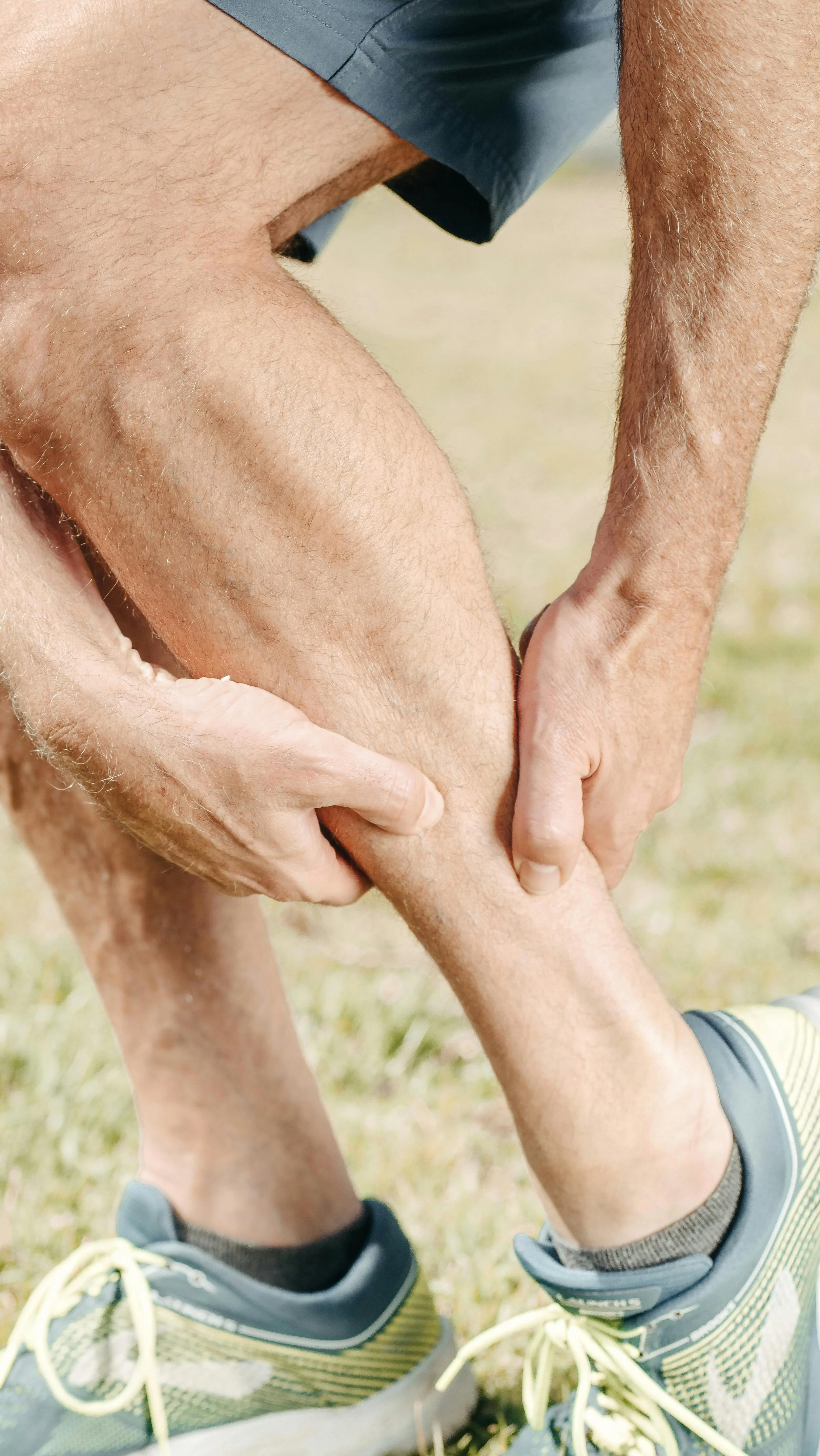
Will Massage Help a Pulled Muscle? A Complete Guide to Safe, Effective Relief
Will Massage Help a Pulled Muscle? A Complete Guide to Safe, Effective Relief
A pulled muscle can stop you mid‑stride—whether it happens during a workout, lifting something heavy, or simply moving the wrong way. The sharp, sudden pain is unmistakable, and the next question is just as common: Will massage help a pulled muscle?
The short answer: yes—when done at the right time and with the right approach. Massage can support healing, reduce pain, and restore mobility, but only when it respects the body’s natural recovery process. Below, you’ll find a clear, step‑by‑step guide to understanding muscle strains, how massage fits into recovery, and how to safely use massage for a pulled muscle at home or with a licensed therapist.
What Exactly Is a Pulled Muscle?
A pulled muscle—also called a muscle strain—occurs when muscle fibers are overstretched or torn. This can range from mild micro‑tears to more significant fiber damage. Common causes include:
Sudden, forceful movements
Overuse
Poor warm‑up
Fatigue
Limited flexibility
Symptoms often include sharp pain, swelling, stiffness, and difficulty using the affected muscle.
For a deeper clinical overview of muscle strains, the Mayo Clinic offers a helpful breakdown of symptoms and causes. foryourmassageneeds.com
So… Will Massage Help a Pulled Muscle?
Massage for a pulled muscle can absolutely help—but timing is everything. According to multiple clinical sources, including Harvard Health and Cleveland Clinic, massage improves circulation, reduces tension, and supports tissue repair after the initial inflammatory phase. healthfulcommunications.com
Why Massage Helps
Increases blood flow to bring oxygen and nutrients to damaged tissue
Reduces muscle tension in surrounding areas that may be compensating
Improves mobility by softening tight fascia and restoring glide
Supports lymphatic drainage, reducing lingering swelling
Releases endorphins, easing pain naturally
When applied correctly, massage for a pulled muscle can shorten recovery time and help you return to movement with more confidence. cyvigor.com
When NOT to Use Massage
For the first 48–72 hours, avoid massage. During this window, the body is actively inflamed, and pressure can worsen swelling or increase bleeding in the tissue. Instead, follow the PRICE protocol:
Protect
Rest
Ice
Compress
Elevate
Once swelling decreases and the muscle is no longer acutely painful to the touch, massage becomes a safe and effective option. healthfulcommunications.com
Ice (Excessive icing may delay healing if continued after the 72‑hour period)
Ice is most effective during the first 48–72 hours after a pulled muscle. In this early inflammatory phase, the body is responding to tissue damage with swelling, heat, and sharp pain. Applying ice helps calm this response by reducing blood flow, decreasing nerve activity, and easing discomfort.
After this initial window, however, the body transitions into its natural repair stage — a phase that depends on circulation, oxygen delivery, and metabolic activity. Continuing to ice beyond 72 hours can interfere with these processes by constricting blood vessels and slowing the very circulation needed for tissue healing.
How to Safely Use Massage for a Pulled Muscle: Step‑by‑Step
Below is a simple, clinically informed process you can share with clients or use as at‑home guidance.
Step 1: Wait for the Inflammation to Settle
Avoid massage for the first 48–72 hours.
Use ice for 10–15 minutes at a time.
Rest the muscle and avoid stretching into pain.
Step 2: Start With Gentle Pressure
Once the area is no longer hot, swollen, or sharply painful:
Use light, broad strokes around—not directly on—the injured spot.
Keep pressure at a 2–3 out of 10.
Avoid deep tissue work at this stage.
This helps improve circulation without irritating healing fibers.
Step 3: Add Slow, Targeted Techniques
As the muscle begins to tolerate touch:
Use slow, gliding strokes along the length of the muscle
Add gentle cross‑fiber friction (side‑to‑side movement)
Incorporate light kneading to soften protective tension
This is where massage for a pulled muscle begins to support tissue remodeling and mobility.
Step 4: Address Surrounding Muscles
Often, the injured muscle isn’t the only one involved. For example:
A pulled hamstring may cause tightness in the glutes or calves
A strained shoulder may create tension in the neck or upper back
Releasing these areas reduces compensation patterns and speeds recovery.
Step 5: Integrate Stretching and Heat
After massage:
Apply gentle heat for 10 minutes
Add slow, pain‑free stretching
Move the muscle through its full range of motion
This combination helps restore elasticity and prevent re‑injury.
Step 6: Know When to Seek Professional Care
If pain persists beyond a week, worsens, or limits daily movement, a licensed massage therapist or medical provider can help assess the injury. Moderate or severe strains may require a structured treatment plan.
Professional Massage Therapy for Pulled Muscles
In a clinical setting, a therapist may use:
Myofascial release to soften tight fascia
Lymphatic drainage to reduce swelling
Medical massage to target specific fibers
Sports massage to restore mobility and function
These modalities are especially effective when combined with home care and gradual return to movement. For more detail on these techniques, you can explore our internal guide to Restoration Treatments | Rejuvenate with Us — Bhavisha Licensed Medical Massage Therapist.
Internal Links You Can Add to Your Site
Here are suggested internal links you can plug into your website:
Lymphatic Drainage—Helps to reduce swelling
Medical Massage—Is a more targeted treatment for injuries
Sports Massage—Is ideal for active clients and athletes
https://RestoreNow.as.me/
External Links to Complement Your Content
These reputable sources support the science behind muscle strain and massage:
Mayo Clinic – Muscle Strain Overview (symptoms & causes)
Cleveland Clinic – Soft Tissue Injury Care (PRICE protocol)
Harvard Health – Massage & Muscle Recovery (benefits of massage)
Final Thoughts
So—will massage help a pulled muscle?
Absolutely, when used at the right time and with the right technique.
A thoughtful, gentle approach can reduce pain, improve circulation, and support the body’s natural healing process. Whether you’re recovering at home or working with a licensed therapist, massage for a pulled muscle is a powerful tool for restoring comfort, mobility, and confidence in your body.
Plantar Fasciitis: Understanding Heel Pain and Finding Relief Through Massage
Heel pain has a way of stealing the joy from simple moments — that first step out of bed, the walk to the train, the errands you used to breeze through. For many people, this pain has a name: plantar fasciitis.
It’s one of the most common causes of heel pain, and it often arrives quietly, building over time until one day your foot says, “I need help.”
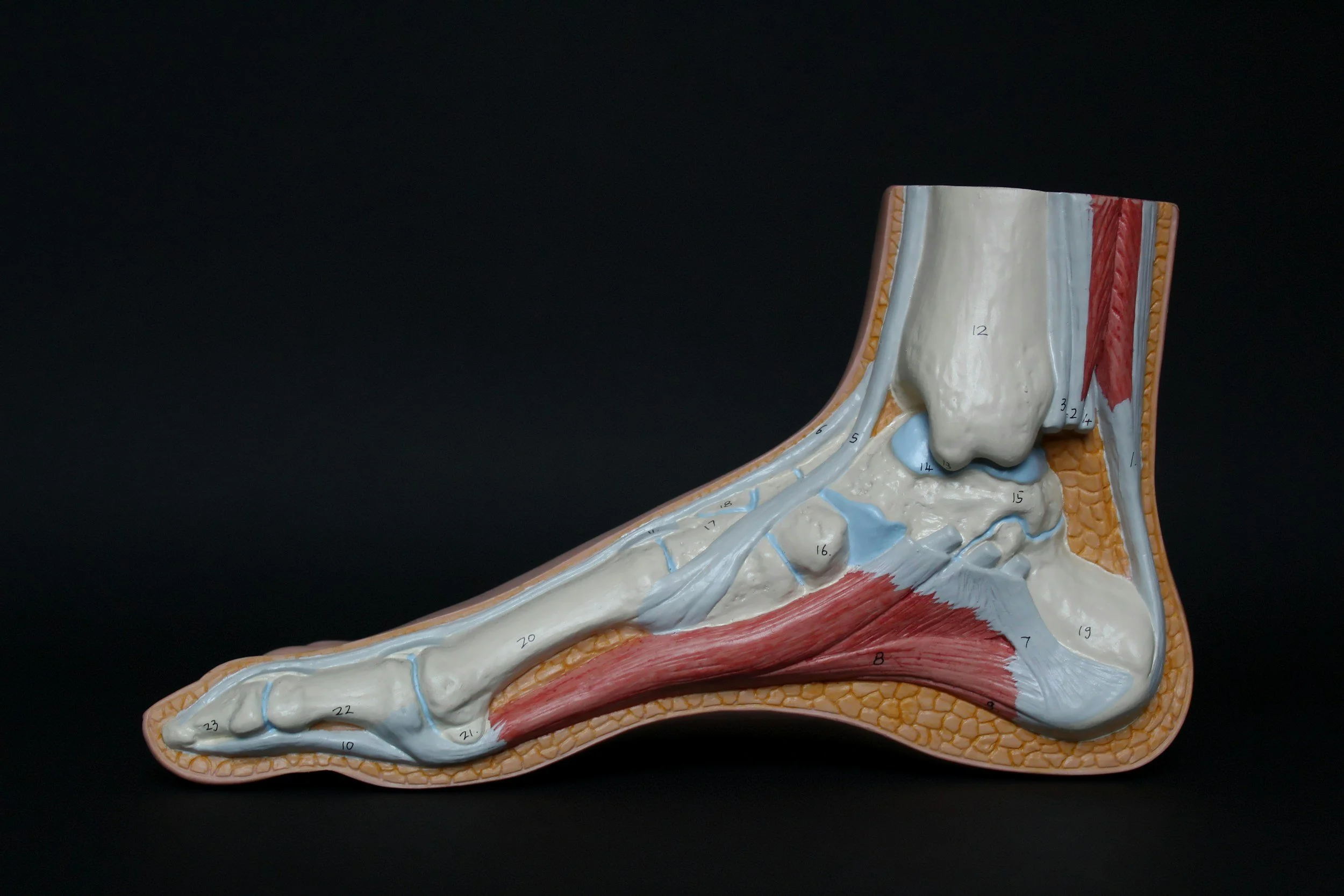
The plantar fascia — the strong band of connective tissue that supports your arch — works with every step you take. When it becomes irritated or overstressed, even gentle movement can feel sharp, tender, or unexpectedly intense.
How Plantar Fasciitis Often Feels
Clients often describe:
A sharp heel pain with the first steps of the morning
Tightness through the arch or calf
Pain after long periods of standing
Relief with movement, followed by pain returning after rest
It’s a small area of the body, but when it’s irritated, it can affect your entire day.
Why It Happens
Plantar fasciitis can develop for many reasons — long hours on your feet, running, flat feet or high arches, tight calves, or shoes that don’t offer enough support. Sometimes it appears without a clear cause at all.
What matters most is understanding that the pain is real, common, and treatable with the right support.
How Massage Therapy Helps (Warmly, Gently, Clinically)
Massage therapy offers a grounded, non‑invasive way to support plantar fasciitis. It doesn’t force the tissue — it guides it. With steady, intentional work, massage can:
1. Ease Pain in the Plantar Fascia
Gentle, focused techniques help soften tension and reduce the strain that contributes to heel pain.
2. Improve Circulation
Better blood flow supports the body’s natural healing process and helps calm irritation.
3. Release Tight Calves and Achilles Tissue
These structures often pull on the heel and fascia. When they soften, the foot can finally exhale.
4. Support More Comfortable Movement
With consistent care, walking, standing, and daily activity begin to feel easier and more fluid.
5. Provide Relief Without Aggressive Pressure
Plantar fasciitis responds best to thoughtful, patient‑centered work — not digging, forcing, or pushing through pain.
This is where clinical skill meets compassionate touch.
What a Session Looks Like in My Practice
In both my Queens and Upper West Side studios, treatment is tailored to your symptoms, comfort level, and goals. A session may include:
Gentle fascial work along the arch
Calf and Achilles soft‑tissue release
Ankle mobility techniques
Supportive home care you can actually follow
Every session I offer is tailored, intentional, and grounded in genuine care. My goal is to help you feel heard, supported, and steadily guided toward relief.
When to Seek Additional Care
If heel pain lasts more than a week, worsens, or begins to limit your ability to walk, it’s important to consult a healthcare provider for a full evaluation.
Massage therapy is a powerful part of the healing process — and often the missing piece.
Ready to Support Your Healing
If plantar fasciitis is slowing you down, I’m here to help you move with more comfort and confidence. I welcome clients in both Queens and the Upper West Side who are ready to feel more at ease in their bodies again.
🌿 Understanding Your Lymphatic System
A gentle, essential guide to lymphatic drainage massage
Most people don’t think about their lymphatic system until something feels “off”—persistent swelling, heaviness, bloating, or that sense of being puffy and stagnant. But beneath the surface, your lymphatic system is working quietly every day to keep you balanced, clear, and well.
It’s a vast network of vessels and 600–700 lymph nodes, all moving fluid in one direction toward the heart. Unlike your circulatory system, it has no central pump. Lymph relies on breath, movement, one‑way valves, and subtle external guidance to keep flowing. When that flow slows — from stress, surgery, inflammation, or long periods of stillness — you feel it.
A helpful way to picture this system is to imagine your body as a landscape with slow‑moving rivers (the lymph vessels) and filtering marshes (the lymph nodes). These rivers don’t rush; they meander. They depend on gentle currents — your breath, your movement — to keep them moving. When those currents quiet down, the water becomes stagnant.
This is where lymphatic drainage becomes meaningful.
🌬️ How Lymph Moves
Because the lymphatic system has no central pump, it depends on a few key mechanisms to keep fluid moving:
Breath
Deep breathing creates pressure changes in the chest that draw lymph upward toward the heart.
Movement
Every step, stretch, and shift in posture gently compresses lymph vessels, helping fluid move forward.
One‑Way Valves
Tiny valves inside the vessels keep lymph moving in a single direction.
Gentle External Guidance
Lymphatic drainage works by tuning into the natural rhythm of lymph flow and guiding it forward with slow, intentional pumping that supports the body’s own mechanisms.
When these elements slow down, lymph stagnates. When they’re supported, your whole system feels clearer, lighter, and more resilient.
🧘♀️ What a Session Feels Like
People are often surprised by how subtle lymphatic drainage is. There’s no digging, no pressure, no sweeping strokes, and no fascia work. Instead, it feels like:
Slow, intentional pumping that follows the natural rhythm of lymph flow
Gentle, directional hand movements that guide fluid toward healthy pathways
A soft, wave‑like sensation as lymph begins to move beneath the surface
A quiet release as tissues decongest
Deep parasympathetic calm
Clients often describe it as “barely there, but incredibly effective.”
🎼 A Metaphor for the Technique
Once you’ve felt how subtle the work is, this metaphor makes sense:
Lymphatic drainage is like a conductor guiding an orchestra that already knows the music.
Your lymphatic system is always playing — quietly, continuously — but without a central conductor, the rhythm can drift. During treatment:
Slow, intentional pumping sets a steady tempo
Gentle directional cues help different “sections” of fluid move together
Subtle adjustments bring the whole system back into harmony
The work isn’t forceful. It’s attuned. It’s collaborative. It’s about guiding the body back into its own rhythm.
📌 What Lymphatic Drainage Is Not
This clarity helps clients understand why the work feels so subtle:
It is NOT:
Deep tissue massage
Myofascial release
Skin stretching
Pressure-based work
A detox fad
A quick fix for weight loss
It IS:
A medically recognized technique
A precise, fluid-focused method
A way to reduce swelling and inflammation
A support for post-surgical recovery
A gentle reset for the nervous system
🌿 Final Thoughts
Your lymphatic system is one of the most overlooked pathways to feeling better in your body. When you support it, everything else — your energy, your immunity, your sense of ease — gets a lift.
If you’re curious whether lymphatic drainage could help you, I’m always happy to talk through your symptoms, goals, and what your body might need.

🌿 The Gift of Reconnection Returning to Yourself, Rediscovering Your World

Reconnecting to yourself.
Introduction
We live in a world of endless notifications, glowing screens, and artificial voices. Yet beneath the hum of machines, our humanity waits quietly, longing to be remembered. We are not algorithms or robots; we are beings of breath, pulse, and feeling. To reconnect with ourselves is to awaken the poetry of being alive — to honor the tender truths within us before we extend our hands outward to others.
This act of turning inward is not indulgence; it is restoration. By reclaiming our humanity, we begin to see why reconnection matters.
Why Reconnection Matters
Restore balance: Pausing to tune out the world and simply be with yourself reconnects you to nature, quiet, and opens your mind to new horizons.
Deepens relationships: When you’re grounded, you can truly be present with patience, love, and support for yourself and those around you.
Builds resilience: Self-awareness embraces your emotions. It acknowledges how you are feeling and lets you be present for yourself. When you are ready, you can handle challenges with clarity and compassion.
Invites joy: Reconnection opens doors for stronger relationships and bonds. It creates a new energy that envelopes playfulness, builds a bond that is unbreakable, and allows you to feel true happiness from the inside.
Closing Reflection
Reconnection is not a single act but a lifelong practice. Each time you pause to restore balance, you invite quiet clarity into your life. Each moment of grounding deepens your relationships with patience, love, and support. Each embrace of your emotions builds resilience, allowing you to meet challenges with compassion. And each spark of joy strengthens bonds that uplift you from within.
When you choose to reconnect with yourself, you are offering the greatest gift — not only to your own spirit, but to everyone whose life you touch. It is in this inward journey that the outward world becomes brighter, kinder, and more whole.
🍂 Let the Leaves Fall, Let the Ache Go

October turns the page. The air cools, the trees shed, and the body remembers. It’s the season of release—of letting go, gently and deeply.
At Bhavisha Medical Massage Therapy, healing isn’t a luxury. It’s a return to self. We work beneath the surface—where tension hides, where pain begins. Through clinical techniques and intuitive care, we help you unwind what’s tangled, soften what’s hardened, and reclaim what’s yours.
“Why Does My Body Hurt More in the Fall?”
You’re not imagining it. As temperatures drop, muscles contract, joints stiffen, and circulation slows. Add in stress, less movement, and emotional heaviness—and it’s no wonder your body feels louder this time of year.
Massage therapy helps reverse that pattern. It improves blood flow, reduces inflammation, and restores mobility. It also helps your nervous system recalibrate—so you can feel calm, clear, and connected again.
What We Offer
👐 Deep tissue, myofascial release, lymphatic drainage 🧘♀️ Specialized care for chronic pain, injury recovery, and pelvic floor healing 📍 Welcoming studios in Queens & the Upper West Side 🎁 October Special: $10 off for first-time patients
A Note from Bhavisha
I created this practice to be a place where people feel seen, heard, and truly supported. Every session is a collaboration—clinical expertise meets intuitive care. My goal is to help you feel better for real, not just for now.
Let October be your turning point. Let the ache fall away like leaves. Let healing begin.
📞 (646) 363-7236 | 🌐 bhavishammt.com
🌿 Can Massage Help a Pinched Nerve? My Honest Take as a Therapist
🌿 Can Massage Help a Pinched Nerve? My Honest Take as a Therapist
🔍 What Is a Pinched Nerve?
💆♀️ How Massage Can Help
Think of it like gently unkinking a garden hose — massage helps restore flow and function.
👐 What I Do in Session
Then I tailor the session using techniques like:
Lymphatic Drainage is very gentle reducing inflammation, calming the nervous system
Deep Tissue utilizes moderate to firm pressure best for Chronic tightness, lower back or glutes.
Trigger Point Therapy Targeted Pressure best for knots near nerve pathways
Myofascial Release is gentle, sustained and best for fascial restrictions and postural imbalances
🏡 What You Can Do Between Sessions
💬 A Note from Me
If you’ve ever felt that sharp, shooting pain down your arm… or a strange tingling in your leg that just won’t quit… you might be dealing with a pinched nerve. It’s one of those conditions that shows up quietly — after a long day at your desk, a tough workout, or even just sleeping in the wrong position.
As a licensed medical massage therapist working in Queens and the Upper West Side, I hear this question often: “Can massage help a pinched nerve?” The short answer is yes — but the real answer depends on what’s causing the nerve to be pinched in the first place.
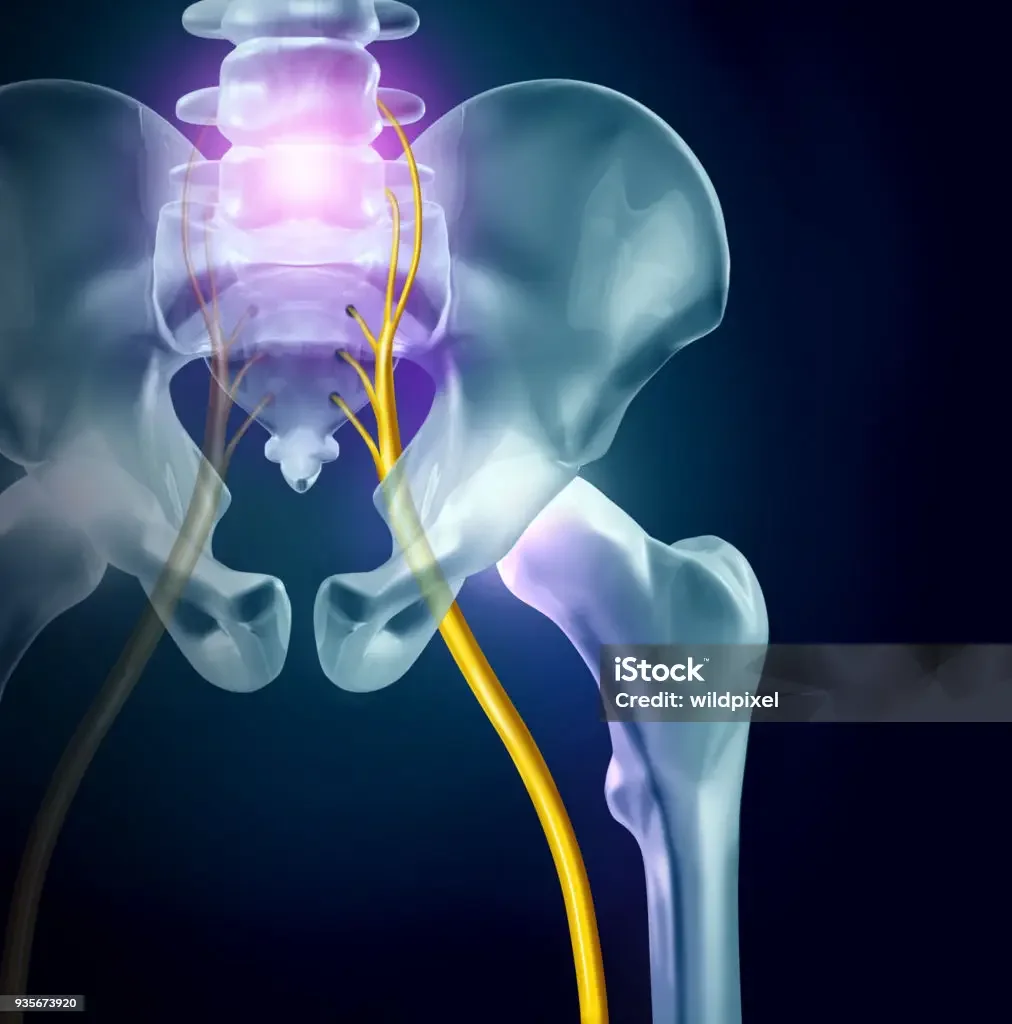
Pinched Sciatic Nerve
🔍 What Is a Pinched Nerve?
A pinched nerve happens when surrounding tissues — like muscles, fascia, or even bones — put too much pressure on a nerve. That compression disrupts the nerve’s function, leading to symptoms like:
Tingling or numbness
Burning or radiating pain
Muscle weakness
Discomfort that travels down the arms or legs
It’s common in areas like the neck, shoulders, lower back, and hips — especially if you sit for long periods or have poor posture.
💆♀️ How Massage Can Help
Massage doesn’t “un-pinch” the nerve directly. But it does help in ways that are powerful and often overlooked:
Releases tight muscles that may be pressing on the nerve
Improves circulation, bringing healing nutrients to the area
Reduces inflammation and swelling
Relieves fascial restrictions that limit movement
Calms the nervous system, which helps reduce pain signals
Think of it like gently unkinking a garden hose — massage helps restore flow and function.
👐 What I Do in Session
When a client comes in with nerve pain, I start by listening. Where is the pain traveling? What movements make it worse? What’s your daily routine like?
Then I tailor the session using techniques like:
Technique: Lymphatic Drainage very gentle pressure best for reducing inflammation, calming the nervous system
Deep Tissue Moderate to firm pressure best for chronic tightness, lower back or glutes
Trigger Point Therapy Targeted pressure best for muscle knots near nerve pathways
Myofascial Release Gentle, sustained pressure best for fascial restrictions and postural imbalances
Lymphatic drainage is especially helpful when swelling or inflammation is contributing to nerve compression. It’s subtle but powerful — and often the missing piece when deeper work feels too intense.
We always work within your comfort zone — I’ll never take you over the edge. Each session is designed to meet you where you are, with care and intention.
🏡 What You Can Do Between Sessions
Massage should be a progression, not a repetition. Each session builds on the last — but only if you support the work outside the studio.
What you do for self-care matters. Stretch. Breathe. Move. Rest. Make sure you do the homework — your body will thank you for it.
Here are a few things I often recommend:
Gentle neck or hip stretches
Tennis ball massage against a wall
Warm compresses to relax muscles
Ergonomic tweaks to your desk setup
Breathing exercises to calm the nervous system
If your pain is persistent or radiating, I may refer you to a physical therapist or suggest imaging to rule out disc issues. Collaboration is key.
💬 A Note from Me
I’ve worked with clients who came in barely able to turn their head or sit comfortably — and after a few sessions, they were sleeping better, moving more freely, and feeling like themselves again. This is what I aim for in every session — to help you feel safe, supported, and ready to heal.
If you’re dealing with nerve pain and wondering if massage could help, I’d love to talk. Whether you’re in Queens or the Upper West Side, my studio is a space where healing begins with listening.